


Greenhouses South England for Refined Gardens
A search for greenhouses South England homeowners can trust often begins with more than a practical need for covered growing space. Many gardens across the region already have a strong sense of character, from walled plots and mature borders to country gardens, coastal homes, village properties, and newer outdoor spaces built around daily living. A greenhouse in that setting has to work hard, because it becomes part of the view as well as part of the growing routine.
The South of England gives gardeners many advantages, but it still asks for careful planning. Milder seasons can support ambitious growing, yet exposure, summer heat, shade, wind, drainage, and garden layout still shape how well a glasshouse performs. At Cultivar, we design greenhouses for that balance between practical growing and a structure that feels settled into the garden from the beginning.
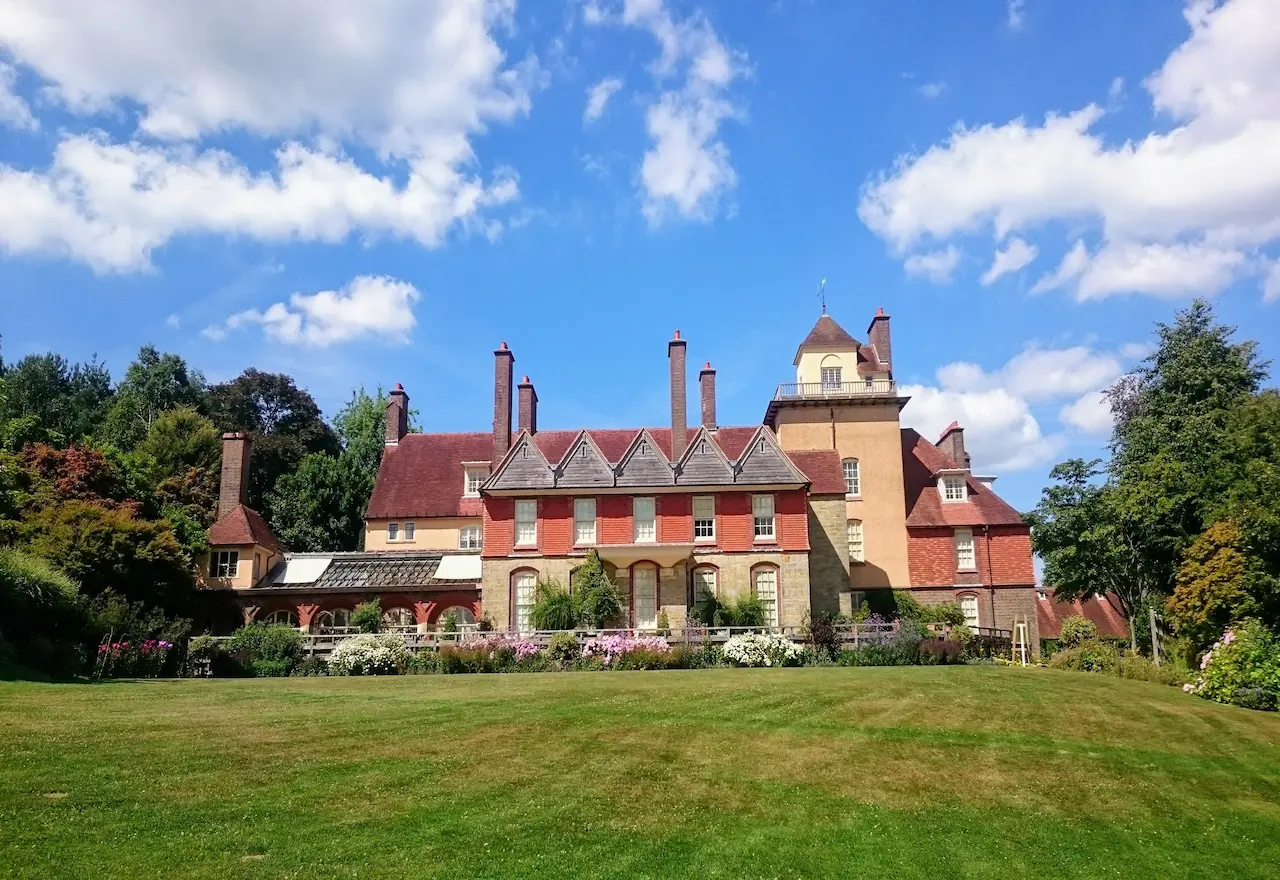
Greenhouses South England Buyers Often Need Design and Growing Performance Together
Greenhouses South England Buyers Often Need Design and Growing Performance Together
Greenhouses South England homeowners choose are often placed in gardens where visual fit matters from the first day. A glasshouse may sit close to a terrace, beside established planting, near a kitchen garden, or within view of the house. If the shape, finish, or proportion feels wrong, the structure can interrupt the garden instead of completing it.
Performance matters just as much as appearance. A greenhouse can look beautiful from the outside but still feel frustrating if the airflow, access, staging, or light are not right for daily use. The strongest choice brings those two needs together, so the glasshouse supports plants properly while still respecting the home and garden around it.
For us, that is the real purpose of a made-to-order greenhouse. It should not ask the owner to choose between a refined garden feature and a serious growing space. It should give both enough attention that the greenhouse feels useful, comfortable, and visually at home for many seasons.

Better Light and Ventilation Planning Shape the Growing Season
South England gardens can offer generous light, but that does not make placement simple. A bright corner may be too exposed, a sheltered wall may hold too much shade, and a convenient position may still need thought around doors, paths, trees, and summer warmth. These small decisions change how the greenhouse feels once it becomes part of daily garden life.
Ventilation is especially important because a productive glasshouse has to manage warmth, air movement, and changing seasonal conditions. Still air can make the space uncomfortable for plants and for the person using it. Good ventilation helps the greenhouse feel more responsive, especially during warmer months when regular use matters most.
This is why we think about light and airflow as part of the same conversation. A greenhouse should capture useful light without becoming difficult to manage. Seasonal advice, such as the Met Office’s gardening tips for May, also reinforces how much timing, warmth, and weather can shape what gardeners need from protected growing space.
The Greenhouse Should Respect the Character of the Property
The South of England includes many different property styles, and each one asks something different from a greenhouse. A Victorian-style glasshouse may feel right beside a traditional home or mature garden, while a cleaner modern structure may suit a newer extension or more architectural outdoor space. A lean-to greenhouse can also make sense where a wall, courtyard, or narrower garden edge gives the structure a natural place to belong.
That choice is not only about taste. The style of a greenhouse affects how permanent it feels, how it sits in relation to the home, and how naturally it connects with paths, planting, walls, and views. A structure that respects the property can make the garden feel more intentional, even before anything is grown inside it.
At Cultivar, we see design as part of the practical decision. The greenhouse should suit the house, but it also needs to serve the grower. That is why style, size, finish, glass, access, staging, and ventilation all need to be considered together rather than treated as separate choices, which is also why our product features matter to the final look and daily performance.
Base Preparation Matters Before the Glasshouse Arrives
A greenhouse can only feel as refined as the base beneath it allows. In South England gardens, that base may need to relate to patios, old brickwork, garden walls, slopes, lawns, gravel areas, or existing hard landscaping. The finished greenhouse might be the visible feature, but the preparation beneath it gives the whole structure its sense of confidence.
A flat, level, well-prepared base helps the frame sit properly and gives the installation a cleaner finish. It also reduces the sense that the greenhouse has been added as an afterthought. For a premium glasshouse, that settled feeling matters because the structure is meant to remain part of the garden for years.
This is one of the reasons we prefer homeowners to think about the base early. It gives the whole project a calmer rhythm, especially when a builder, landscaper, or garden designer is involved. The greenhouse then arrives into a space that is already ready to support it.
Greenhouse Size Should Follow the Way the Garden Will Be Used
Size can feel like the safest place to start, but it rarely tells the whole story. A smaller greenhouse can work beautifully when it supports the right routine, while a larger one can feel awkward if it overwhelms the garden or sits too far from daily use. The better question is how the owner wants to grow, move, water, stage, and spend time inside the structure.
Some South England homeowners want a glasshouse for seedlings, seasonal propagation, and summer crops. Others want room for larger pots, overwintering tender plants, climbing crops, or a quiet bench where practical gardening feels enjoyable rather than cramped. The RHS offers useful context on growing in your greenhouse, especially for gardeners thinking about how protected space supports real seasonal use.
A good greenhouse size should feel generous in the right places. Door access, staging depth, headroom, crop height, and circulation all shape the experience as much as the footprint. When the size follows real use, the greenhouse becomes easier to return to again and again.
Cultivar Greenhouses Fit Considered Garden Projects Across the South of England
Greenhouses South England homeowners invest in often sit within larger garden plans. A glasshouse may be part of a kitchen garden, a renewed outdoor living area, a long-term planting project, or a wider effort to make the garden more useful throughout the year. In those situations, the greenhouse needs to feel like a considered decision, not a standard product placed into a spare corner.
At Cultivar, we build for homeowners who want that more careful fit. Our greenhouses are shaped around style, proportion, finish, features, and growing use, so the final structure feels connected to the garden rather than separate from it. The aim is not only to create a beautiful glasshouse, but to make the owner feel confident using it through changing seasons.
That approach matters across counties such as Surrey, Kent, Hampshire, Sussex, Oxfordshire, Dorset, Wiltshire, and the Cotswolds. Each garden has its own conditions, but the same principle holds. A greenhouse should make the garden feel more complete, more usable, and more rewarding to live with.
Choosing a Greenhouse That Feels Right for Years
Choosing a Greenhouse That Feels Right for Years
A bespoke greenhouse should make the garden feel more complete, not more complicated. The right structure supports plants, protects growing plans, improves daily routines, and gives the homeowner a place that feels worth returning to in every season. That kind of value comes from fit, not from size alone.
There is also comfort in choosing carefully. Homeowners do not need to know every technical detail before they begin, but they do need a clear sense of how the greenhouse will be used, where it should sit, and what kind of structure feels worthy of the garden. The strongest decisions usually come from that balance between practical confidence and visual instinct.
For anyone comparing bespoke greenhouses UK options, Cultivar offers a calm place to start. If planning rules are part of your decision, it is worth checking the Planning Portal’s guidance on planning permission for outbuildings, then speaking with us about the greenhouse that will suit your garden, your home, and the way you want to grow.
Bespoke Greenhouses UK: Choosing a Glasshouse Built to Last
Frequently Asked Questions

Yes. Cultivar greenhouses can be planned around garden style, light, access, base preparation, and long-term growing needs.
The best style depends on the property, garden layout, available space, and whether the owner prefers modern, Victorian, lean-to, or dwarf wall design.
Yes, but exposure, shelter, materials, and placement should be considered carefully before choosing the final greenhouse position.
Yes. Early base planning helps the greenhouse sit properly and supports a cleaner, more permanent installation.
Yes. A bespoke greenhouse can be planned around compact layouts, access points, staging needs, and the garden’s existing structure.
Frequently Asked Questions
A Cultivar greenhouse is a true investment in your garden and your passion. Here we answer common questions about our expertly crafted designs, precision engineering, and enduring materials. Explore our insights, or begin your journey to create your perfect growing space today.
Design Your Perfect Greenhouse