Lean To Greenhouse UK Planning for Wall-Side Growing Spaces
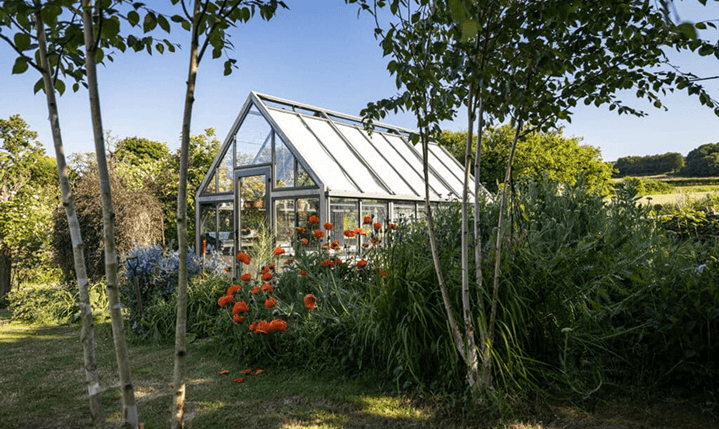
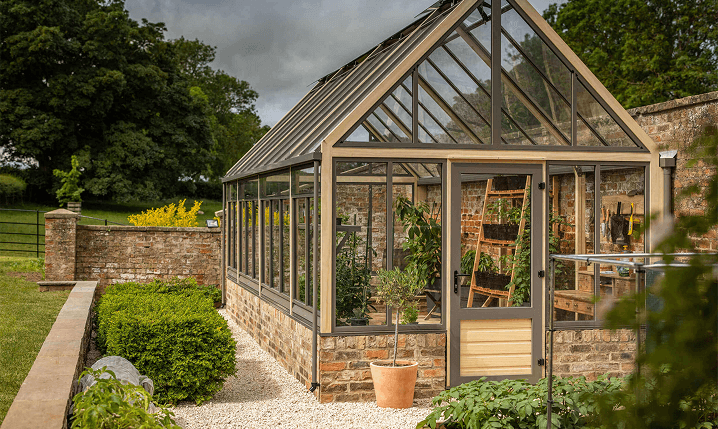
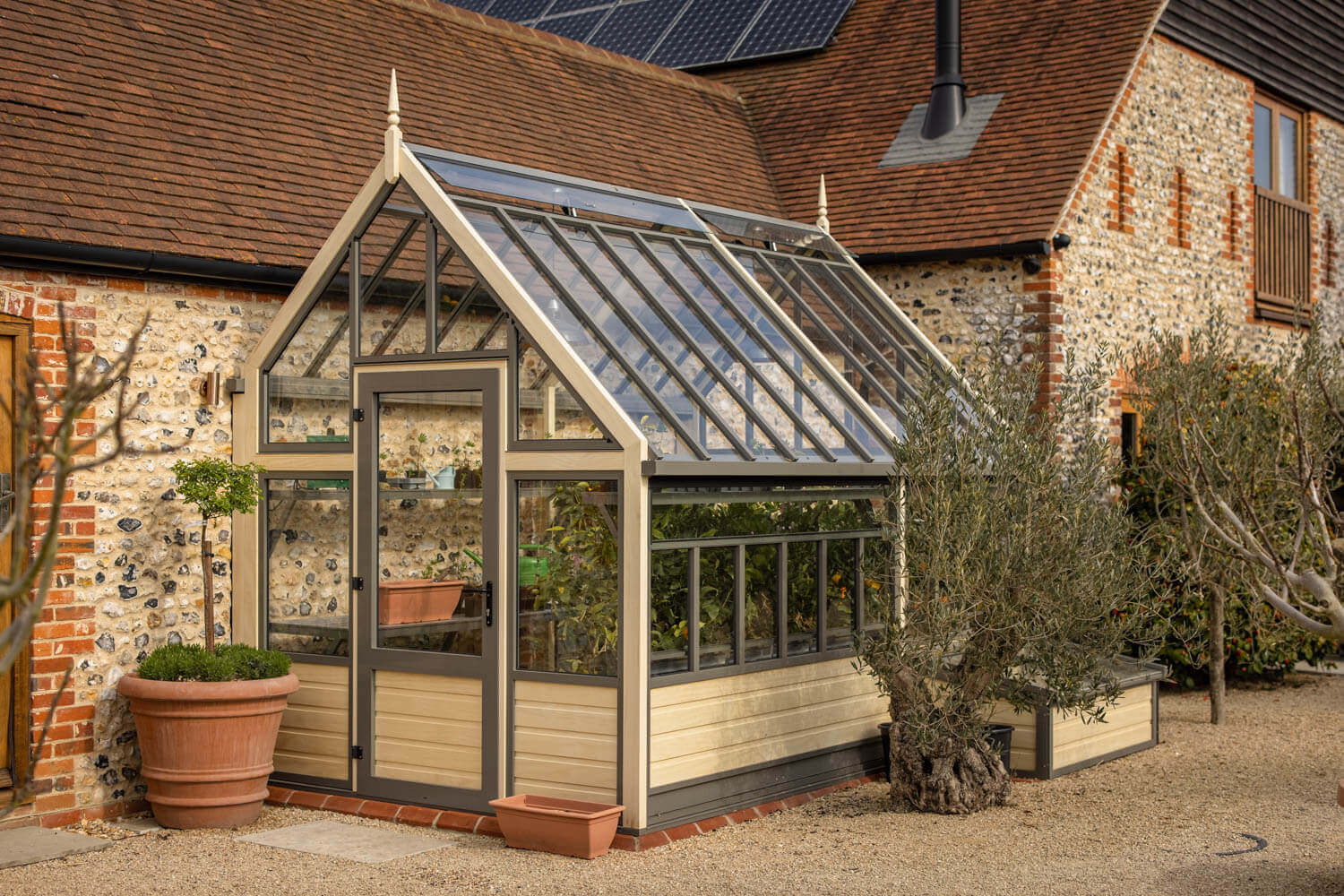
For a lean to greenhouse UK homeowners should consider a three quarter lean-to. These are ideal for smaller gardens where space might be at a premium. In the right setting, a wall-side glasshouse can look well designed, elegant, and deeply practical. It can make use of warmth, existing walls, shelter, and access in a way that suits serious growing as well as refined garden design.
The appeal often begins with the space, but the real value comes from how it fits in. A lean-to greenhouse may sit against a house wall, garden wall, courtyard edge, or a more sheltered side of the garden. At Cultivar, we treat that wall-side relationship as part of the design. So long as it is plumb and true.
That matters because a lean-to glasshouse is experienced close up. It is often near a path, terrace, kitchen door, or working area, so the details become part of everyday use. Light, airflow, door position, staging, wall condition, and proportion all shape whether the greenhouse feels easy to live with over time.
Lean To Greenhouse UK Planning Starts With the Wall
A lean-to greenhouse begins with a fixed relationship that freestanding glasshouses do not always have. The wall gives the structure a place to belong, it needs top be high enough, but this is less important with three quarter lean-tos since they do not require as much height as a traditional structure. Available in two widths – 6’4″ and 8′ they are best placed against south facing walls where the roofline follows the line of the wall and maximises on the light available. If the wall is treated as a background detail, the finished glasshouse can feel awkward before the first plants arrive.
The better decision starts by understanding what the wall can offer. A good wall can give shelter, visual order, and a sense of permanence. It may also help the greenhouse feel more integrated into the home or garden, especially when the surrounding materials already have character.
For homeowners comparing lean to greenhouse UK options, this is where planning becomes more than measuring available space. The wall should support the design, but the design should also respect the wall. When that relationship is right, the greenhouse feels intentional rather than squeezed into a leftover area.
A Wall-Side Greenhouse Can Make Smaller Spaces Feel More Useful
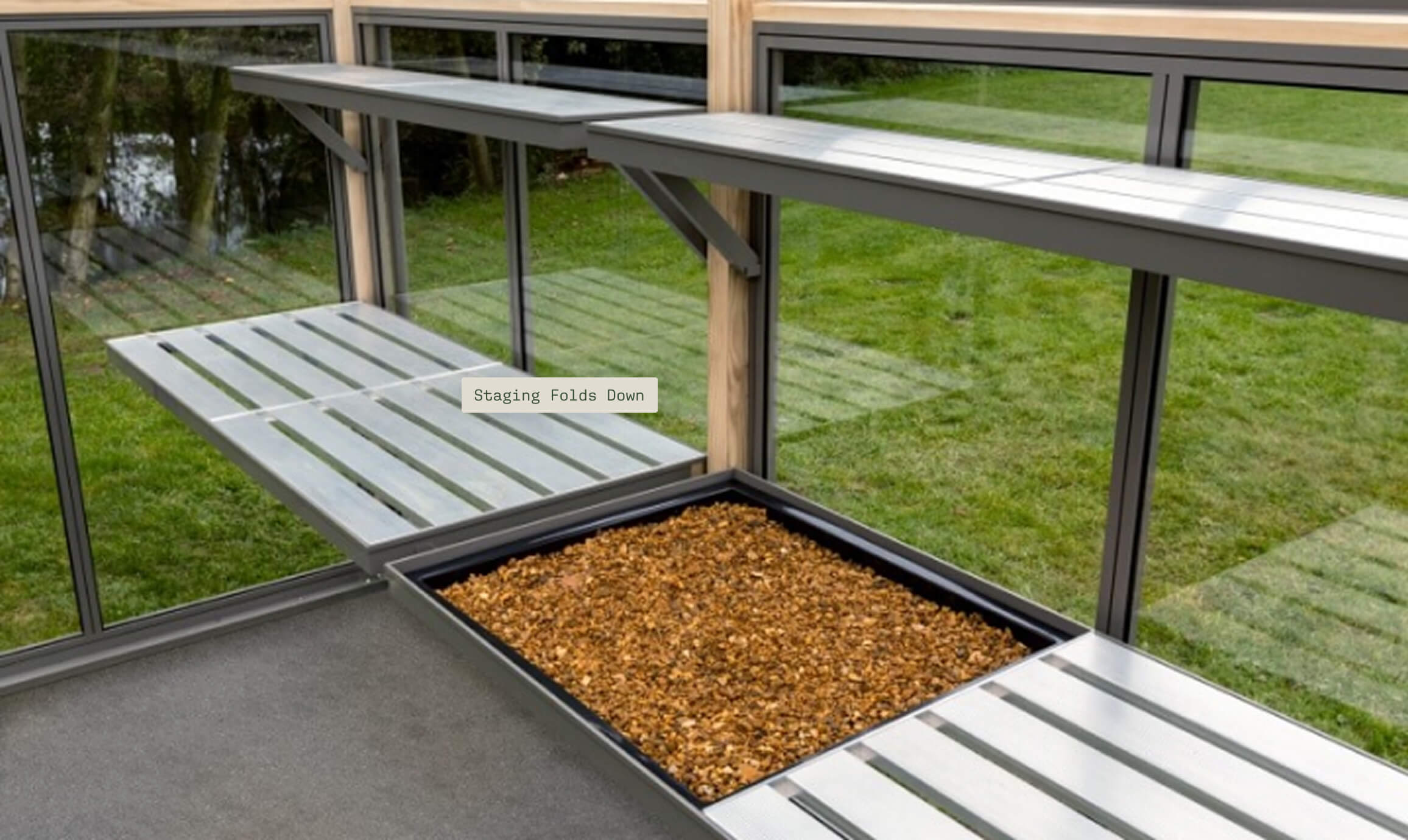
Space is often the reason people begin looking at lean-to greenhouses, but that does not mean the result should feel limited. A smaller garden, courtyard, or side return can still support meaningful growing when the greenhouse is designed around space. You can still furnish it with accessories like staging and shelving. The structure needs to make the available space work harder without making it feel crowded.
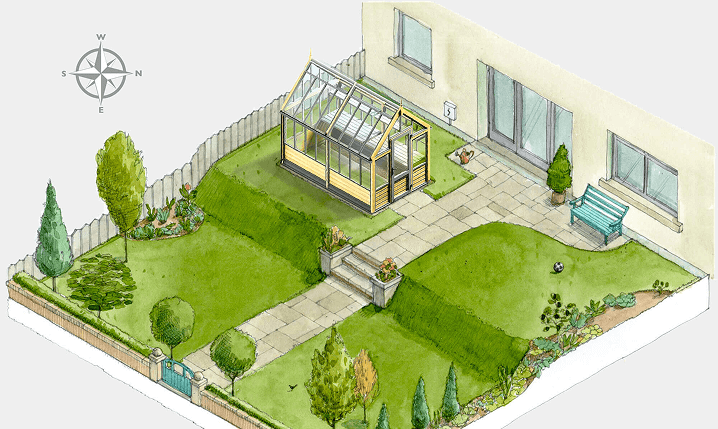
This is where a lean-to format can feel especially intelligent. The wall gives the greenhouse a natural edge, which can make the rest of the garden feel clearer and more open. Instead of placing a freestanding structure in the centre of a compact area, the glasshouse can sit into the garden’s existing lines, opening up the garden to enjoy.
A small lean to greenhouse that UK garden owners might choose should still feel generous in the right places. Door width, standing room, staging depth, and crop height all matter. A compact footprint can feel comfortable when the details are planned around how the owner will actually use the space. That’s where a three quarter lean-to comes into it’s own. Since this has a full height ridge it does not feel cramped by any means.
Light and Orientation Shape How a Lean-To Greenhouse Performs
A lean-to greenhouse depends heavily on its position because the wall affects how light enters the structure. A bright wall-side location can help create a useful growing space, while a shaded wall may limit what the greenhouse can comfortably support. That said different plants can be grown accordingly to the orientation of the wall. If you’re using the wall to grow something up then a fig tree might like full sun but something like a pear or plum tree will do better on a west facing wall. The decision is not only about finding a south facing wall and more about what works best in the garden. Bare in mind how these will perform throughout the changing seasons.
Orientation helps homeowners make sense of that choice. The direction of the wall, the path of the sun, nearby trees, fences, buildings, and the way the garden changes from winter to summer all influence the growing experience. Guidance on siting a greenhouse can be especially useful when thinking through sunlight, shelter, and how the structure will behave across the year.
This is why orientation guidance is so important in the planning stage. A lean-to greenhouse should not only fit against a wall. It should sit where light, shelter, access, and everyday use can work together.
Ventilation Matters More When Glass Meets a Wall
A wall-side greenhouse can feel protected, but that protection also makes ventilation important. Warm air can build quickly under glass, especially when the structure sits in a sheltered position or receives strong sun during part of the day. Without good airflow, the greenhouse can feel less comfortable for both plants and the person using it. The good new is that a three quarter lean-to has full length vents on both sides of the ridge. This mirrors a free standing structure as compared to standard lean-tos which ordinarily have half the ventilation of a free standing model.
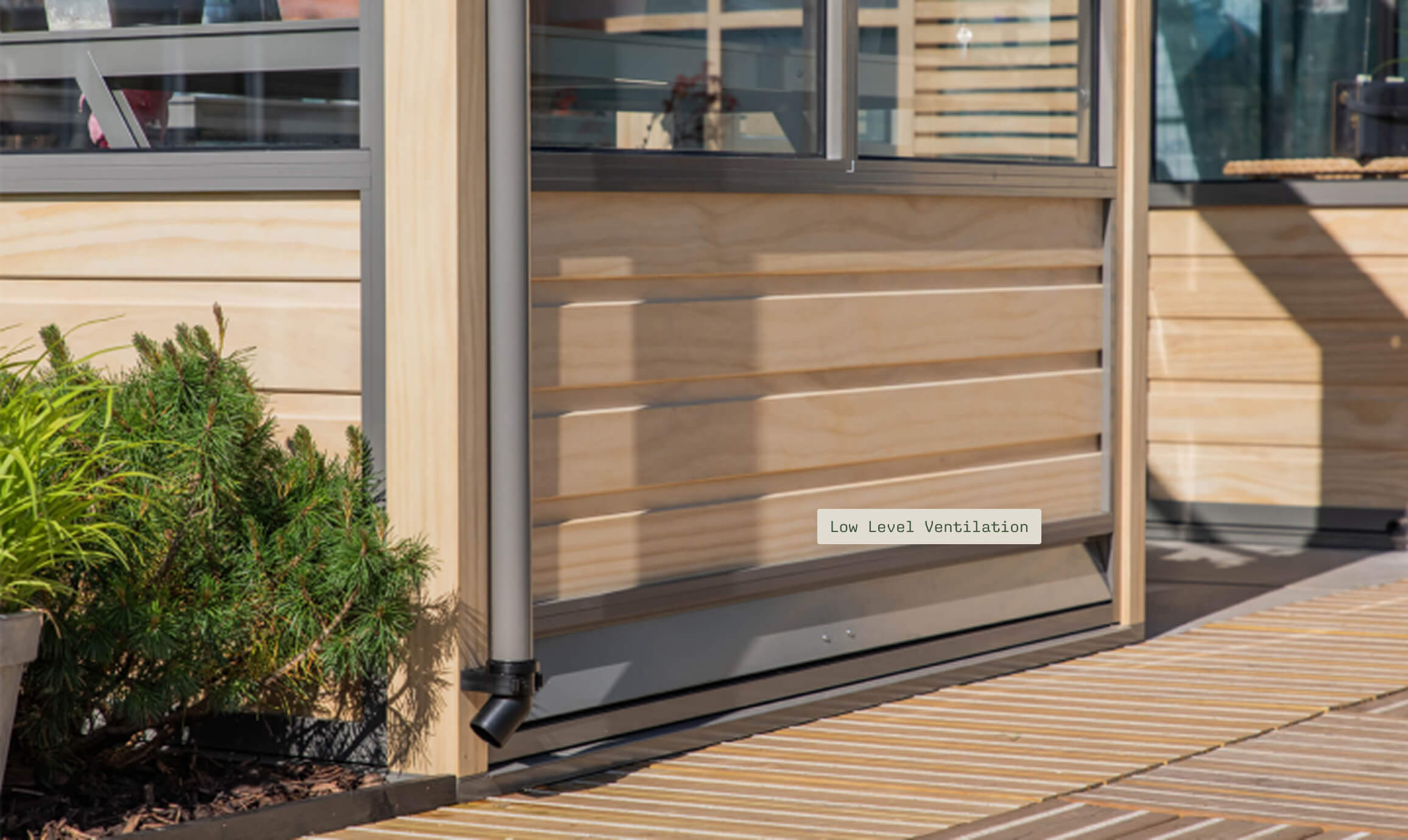
Ventilation helps the glasshouse respond to changing conditions. Roof vents, low-level air movement, door use, and internal spacing all influence how heat and moisture behave. In a lean-to setting, airflow becomes part of how the greenhouse performs, not a technical detail to think about later.
For us, airflow is part of the design language of a good lean-to greenhouse. It should not feel like an afterthought or something added only when the space becomes too warm. A well-planned wall-side glasshouse gives the owner more confidence because the growing environment feels easier to manage from the start.
Access Should Feel Natural From the House and Garden
A lean-to greenhouse often succeeds because it is easy to reach. It may sit near the house, beside a path, close to a kitchen garden, or along a wall that already guides movement through the outdoor space. That closeness can make the greenhouse more useful, but only if the door, staging, and working space feel natural.
Daily gardening depends on small routines. Carrying trays, watering plants, opening vents, checking seedlings, moving pots, and stepping in during poor weather all become easier when access has been planned well. Practical guidance on where to position your greenhouse also reinforces how placement affects light, shelter, convenience, and daily growing use.
This is why access should be considered alongside design. A lean-to glasshouse should feel connected to the home and garden without blocking movement or making the area feel crowded. The best placement lets the owner use the greenhouse often, not only admire it from a distance.
A 3/4 Lean To Greenhouse Can Offer More Air and Presence
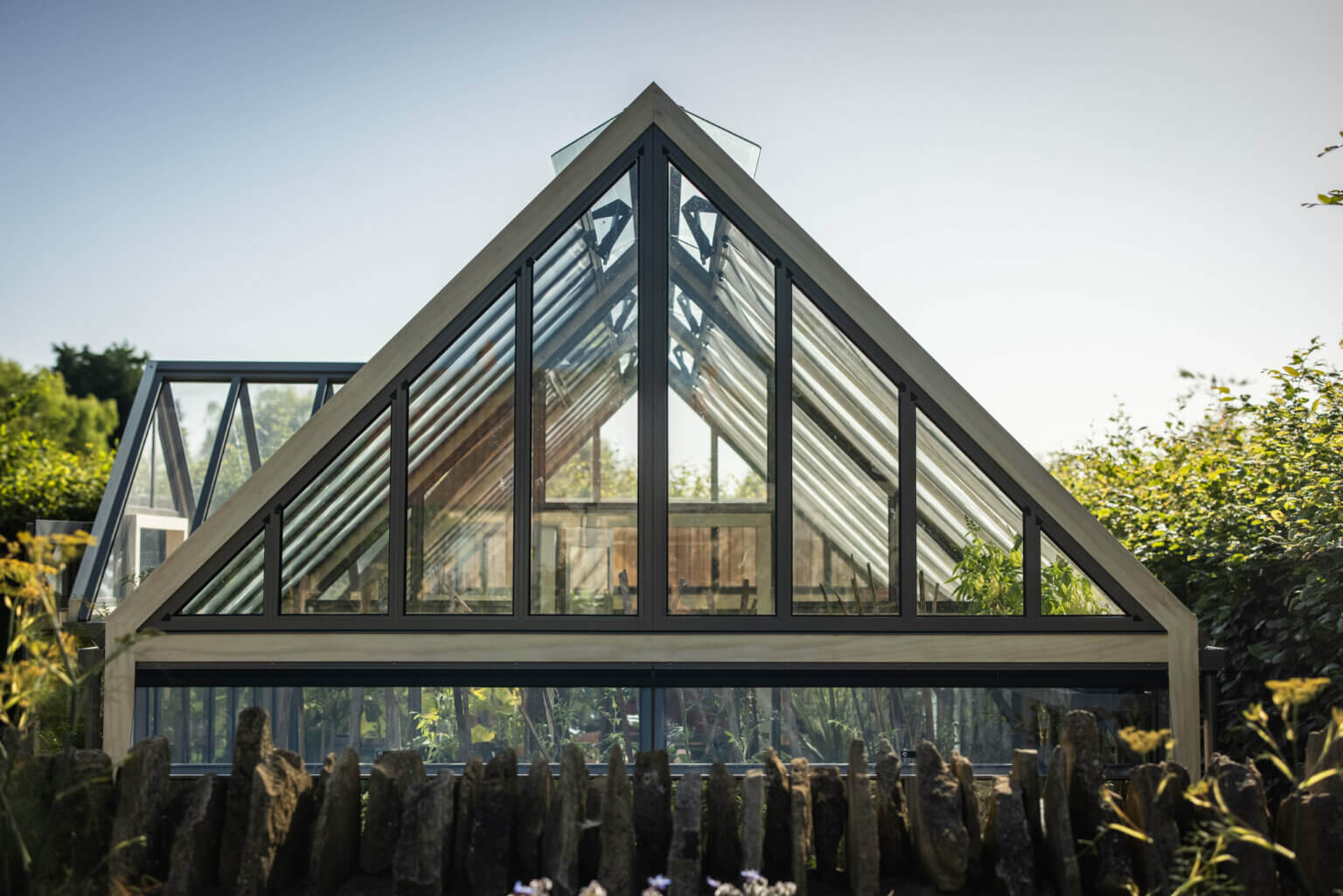
A 3/4 lean to greenhouse gives wall-side growing a more generous feel. It still benefits from the structure and shelter of a wall, but it can offer more functionality and a stronger glasshouse presence than a simpler lean-to format. That extra volume can make the space feel more comfortable and better suited to serious growing.
This matters because air, height, and proportion affect the way the greenhouse performs. A small glasshouse can be useful, but a more considered 3/4 form can give plants and people more room to breathe. It can also create a design that feels more substantial against the wall, especially in gardens where the greenhouse will be visible every day.
At Cultivar, our 3/4 lean to greenhouses are made for that kind of wall-side planning. They sit within our greenhouse range, with options that help the structure feel suited to the wall, the garden, and the owner’s growing plans.
A Lean-To Greenhouse Should Feel Designed, Not Squeezed In
The best lean-to greenhouse decisions are rarely about using whatever space is left. They are about recognising where the garden already has structure and making that structure more useful. A wall, path, terrace, courtyard, or side area can become a productive growing space when the greenhouse is planned with care.
That kind of fit gives the homeowner more than covered space. It creates a glasshouse that feels easy to reach, pleasant to use, and connected to the daily life of the garden. The wall becomes part of the design, not a limitation.
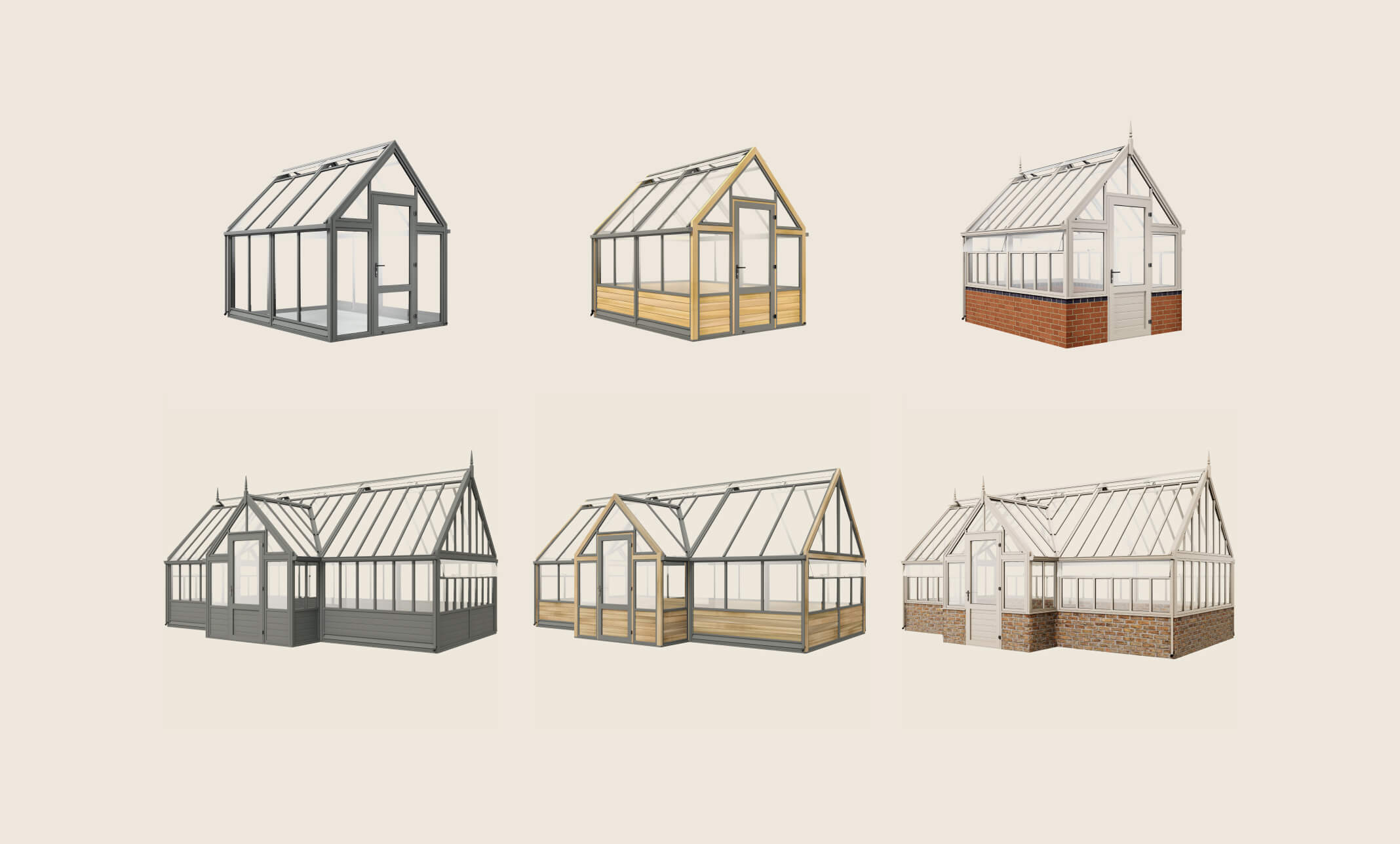
For homeowners comparing lean to greenhouse UK options, Cultivar offers a range on their configurator, which is a helpful place to begin. Visit our configurator to compare lean-to options and walk through the door placement, size, access, and accessories that will suit your garden.
Frequently Asked Questions
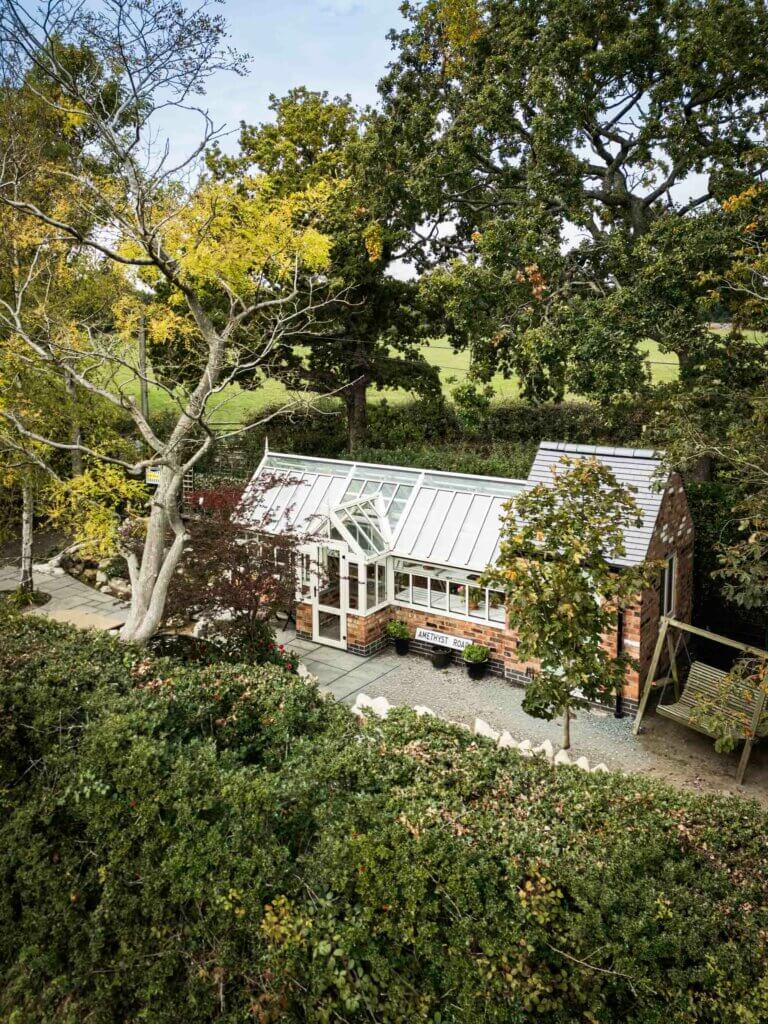
Yes. A lean-to greenhouse can work well in a smaller garden when wall condition, light, access, and internal layout are planned carefully. The wall should be clear from obstructions such as pipes and pillars.
The best wall would be south facing. It should be flat and plumb and of an appropriate height. It should be in good condition,after all the greenhouse will last decades. Think about access, and how the greenhouse will sit within the garden.
A 3/4 lean to greenhouse is a wall-side glasshouse that uses an existing wall while offering more air volume and presence than simpler lean-to forms. They generally require less height on the wall than a standard lean-to.
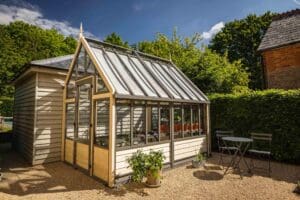
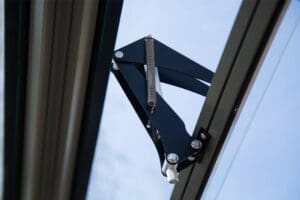
Yes. Ventilations important because warm air can build quickly when a glasshouse sits against a sheltered wall. Cultivar greenhouses come with low level vents and full length ridge ventilation but you can also add vents to the side or end of the greenhouse for use on those really hot summer days. These can happen from time to time which is hard to envisage in the depths of winter.
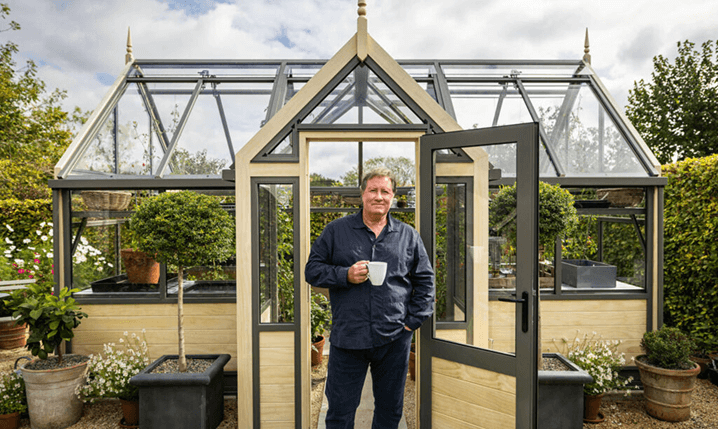
Yes. All our greenhouses are made to order and are premium. Offered in a choice of powder coated finish our 3/4 lean-to greenhouse can feel refined when you have the right proportions, access, and wall-side placement working in conjunction with the surrounding garden. 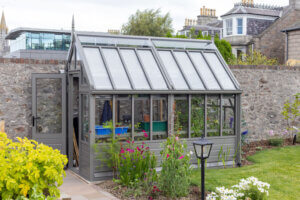
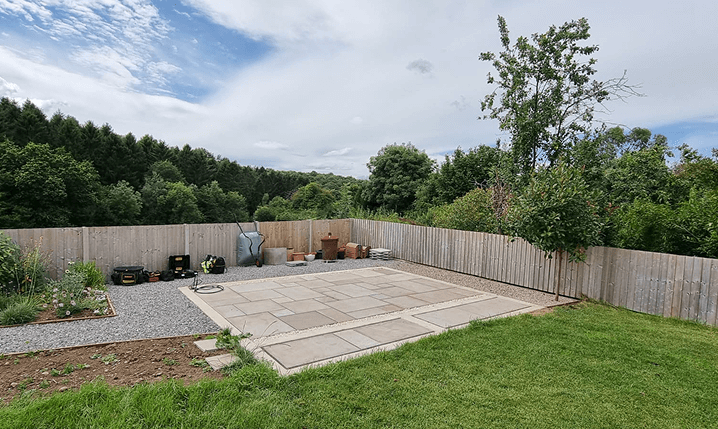
The plan we send out for the base also requests that your builder install a flashing in the wall to which it leans. In that way if we are fitting the greenhouse our team can simply dress this into the gutter as part of the assembly process.
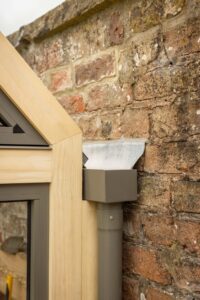
Cultivar 10 x 20 ft Pavilion – flashing detail
Frequently Asked Questions
A Cultivar greenhouse is a true investment in your garden and your passion. Here we answer common questions about our expertly crafted designs, precision engineering, and enduring materials. Explore our insights, or begin your journey to create your perfect growing space today.
Design Your Perfect Greenhouse