Greenhouses For Sale for UK Gardens
Almost every greenhouses for sale can look simple at first. A frame, glazing, doors, vents and models in a choice of sizes. But there are a number of questions to ask before going ahead and ordering. Where will it sit? How will it look from the house? What will you grow? Will the space support seedlings, tomatoes, cuttings, citrus, overwintering plants or quiet weekend pottering?
A greenhouse becomes part of the garden’s daily rhythm. It changes how you move through the plot, how early the season begins and how much pleasure the garden gives beyond summer. The right choice should not begin with the largest footprint or the most decorative finish. It should begin with the way the structure will be used.
At Cultivar, we prefer to start with the garden and the grower. The design should follow the home and what you’ll use it for.
Greenhouses for sale should begin with garden use
Greenhouses for sale are easier to compare when the first question is practical: what do you want the space to do? A gardener raising early seedlings needs different internal planning from someone growing tall crops, protecting tender plants or creating a calm place to work among pots.
A greenhouse buying guide should aid the decision process. Don;t just opt for style over substance. A beautiful structure still needs to work on wet March mornings, warm July afternoons and busy days when staging is full. Access, light, ventilation, storage and how you’ll use the greenhouse all affect whether the greenhouse becomes a pleasure to use.
We often ask buyers to picture the greenhouse in use, not empty. Imagine trays in hand, a watering can nearby, doors open, plants at full growth and tools within reach. That simple picture usually helps more than a measurement alone.
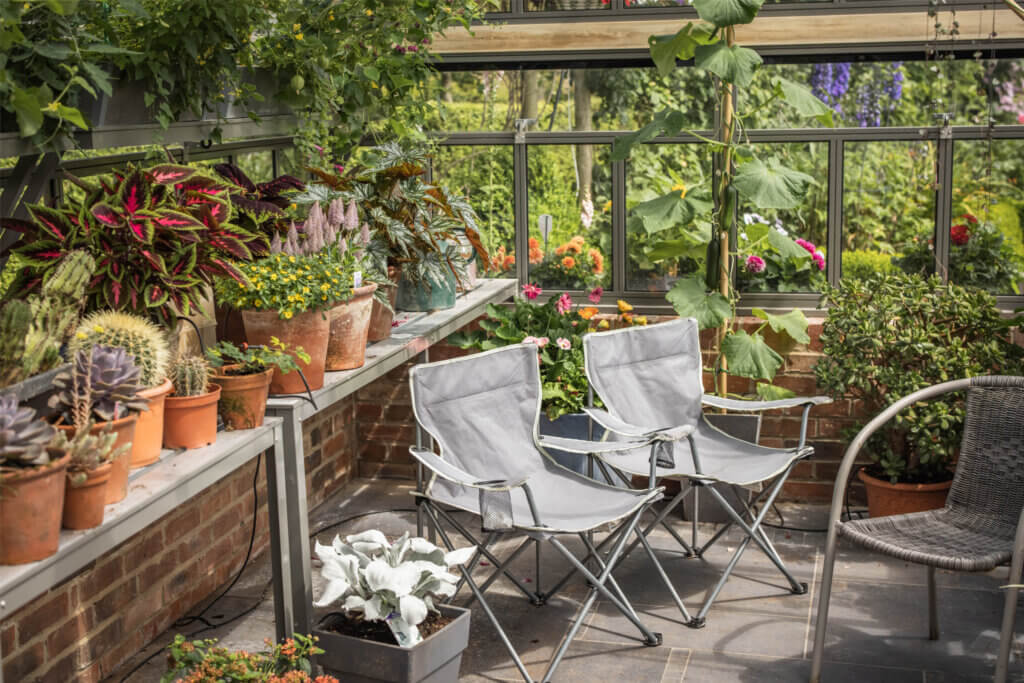
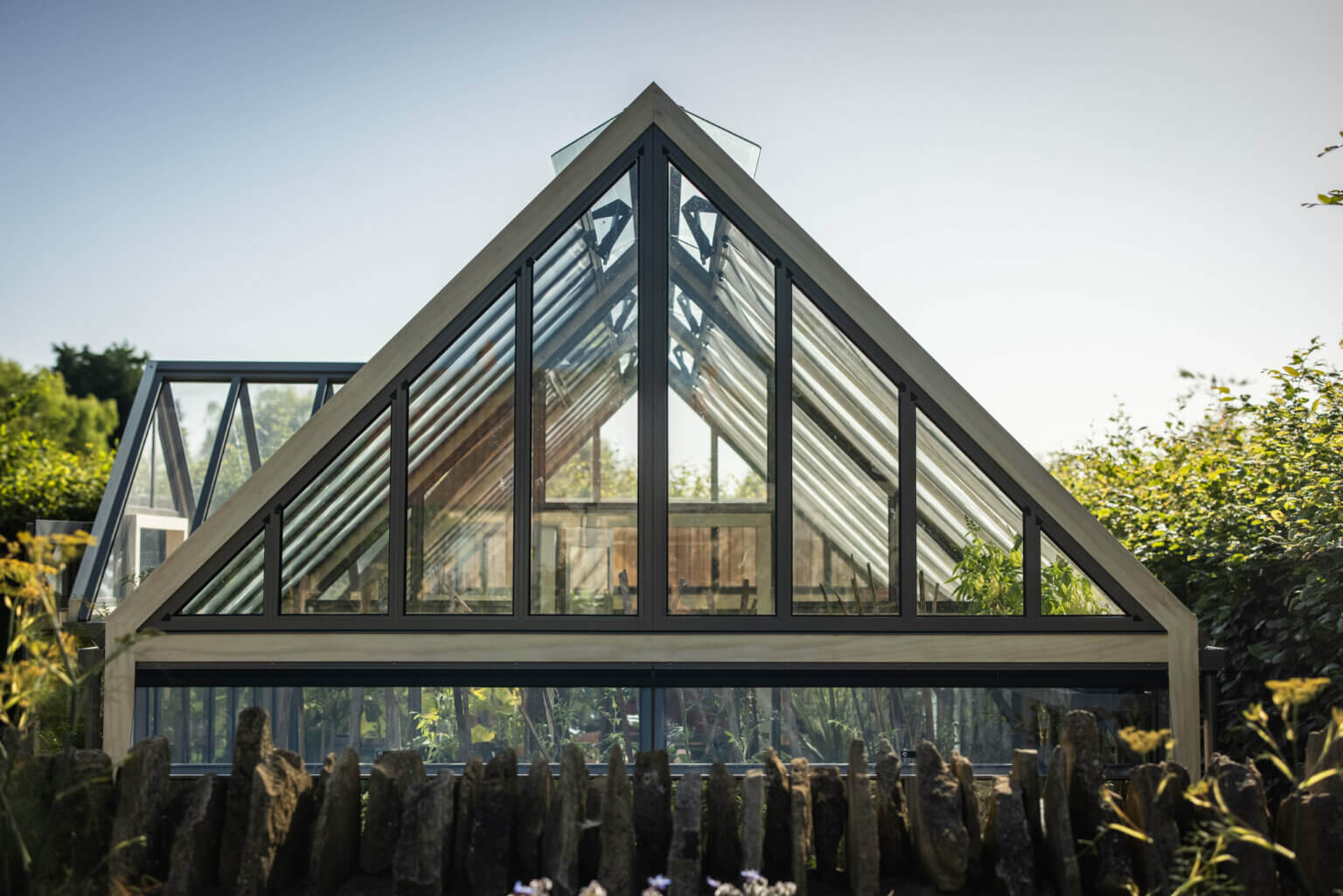
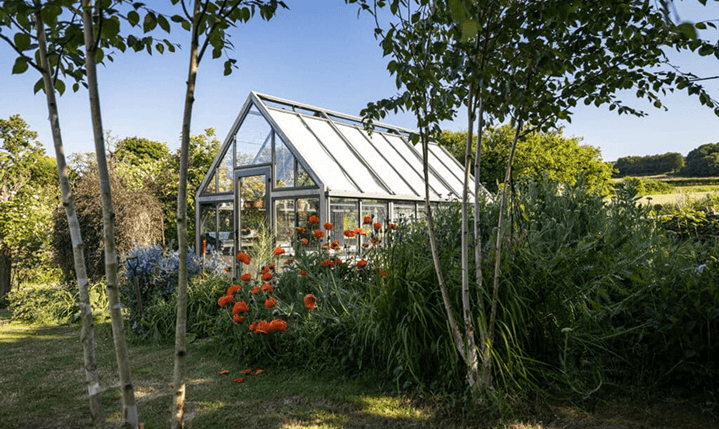
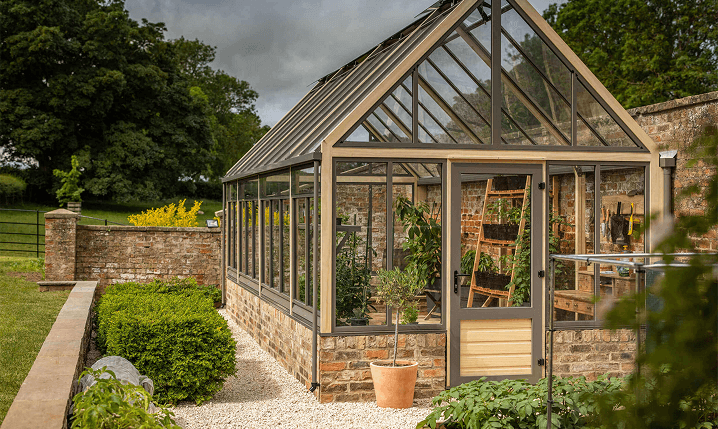
Cultivar greenhouse at Meynell Langley Gardens.
Greenhouses for sale need structure before style
Greenhouses for sale can be simple in their design or more decorative. A robust frame will support daily use, toughened safety glass adds strength too. Ventilation is ample and a well maintained greenhouse will be a pleasure to use. A greenhouse should sit beautifully in the garden, but it also needs to be well engineered.
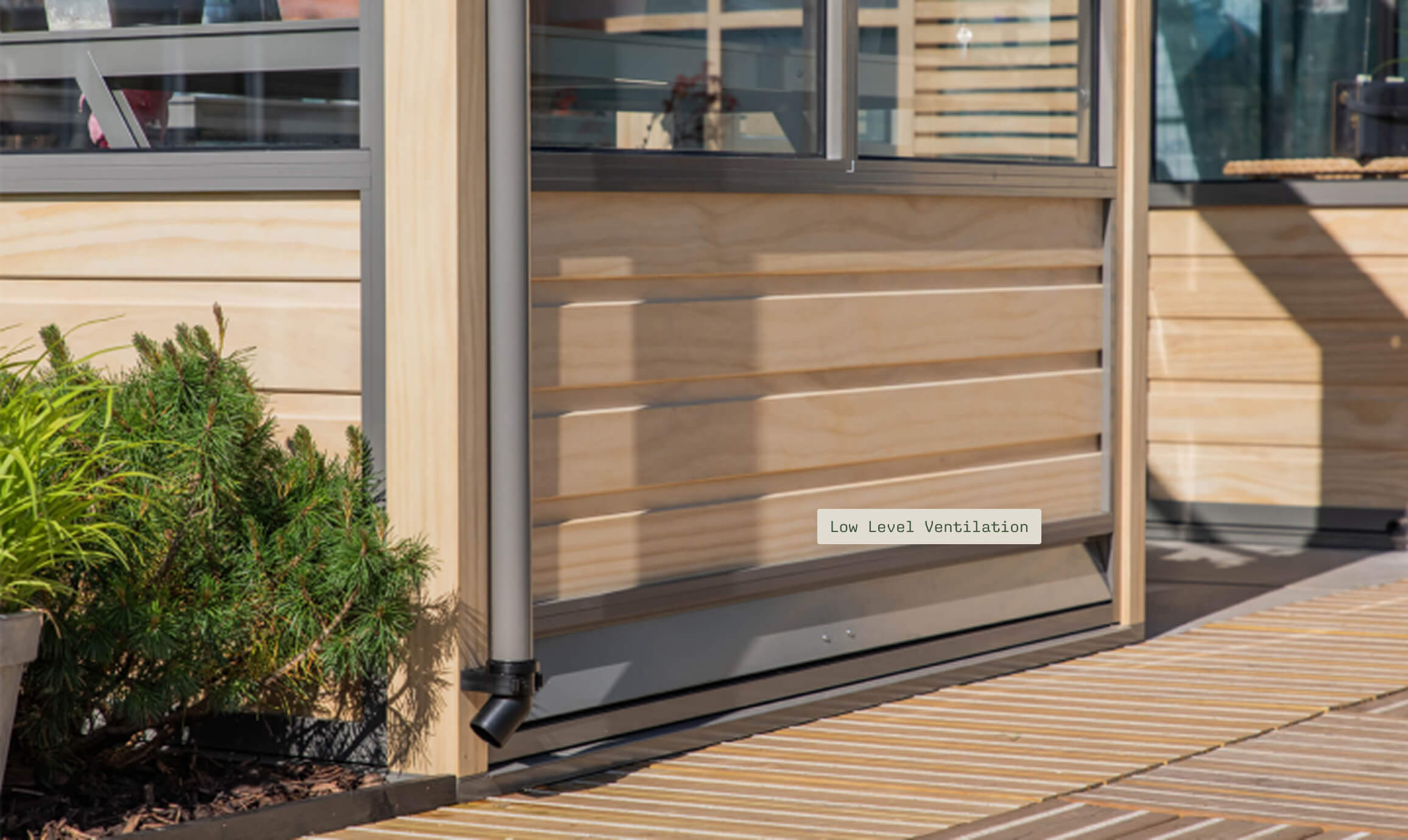
Doors should be generous enough for a wheelbarrow to pass through. Vents should support healthy airflow. Gutters provide an opportunity to harvest rainwater. Internal fixings should serve a purpose. A good structure should allow accessories to be added over time, not harder to add later.
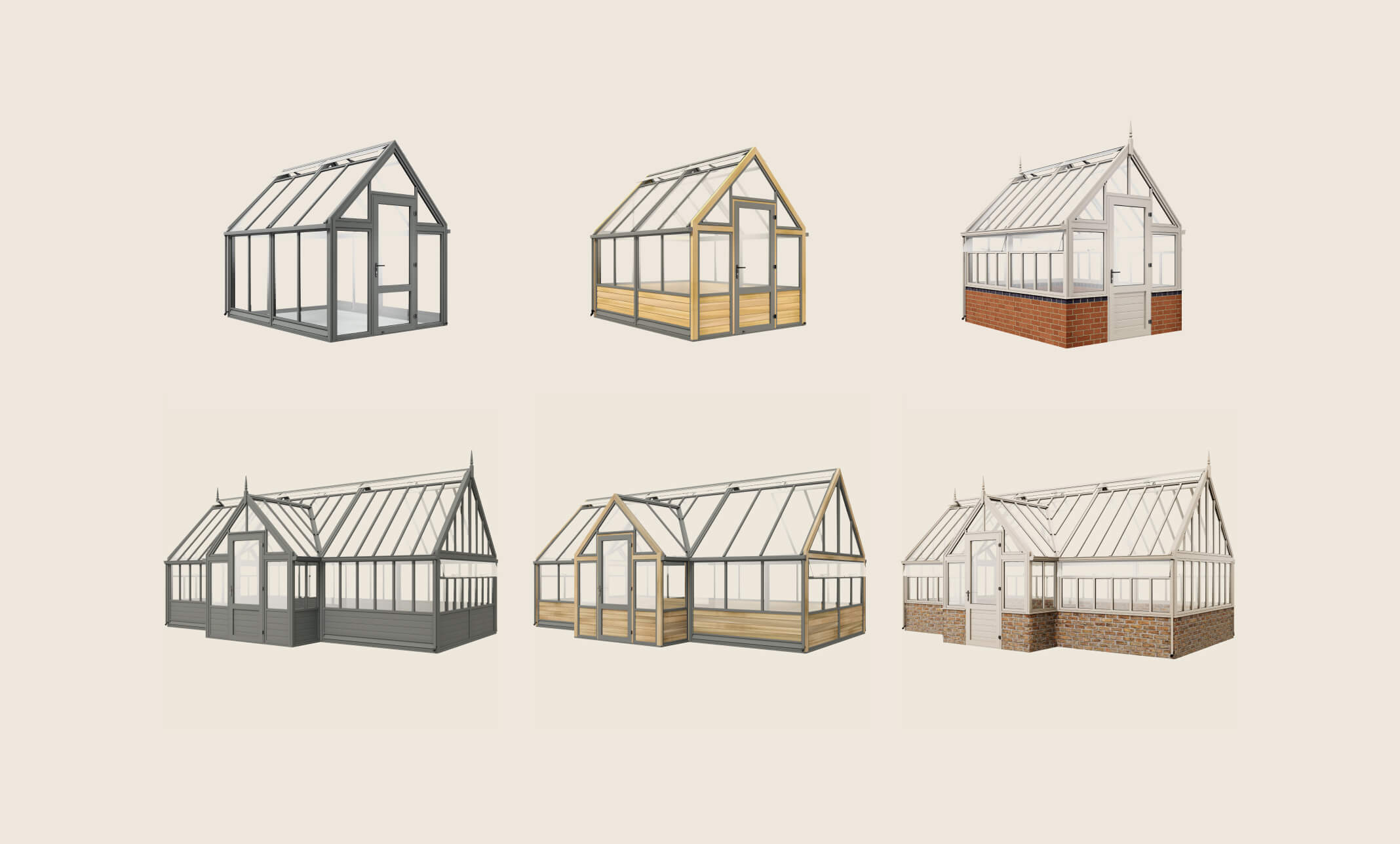
UK greenhouse planning needs to be accommodating for all weather and daily use. Wind, rain, snow and summer heat all are sent to test the greenhouse over the seasons. A greenhouse chosen only for appearance may look right on day one but if it’s poorly planned you might feel frustrated by the second season. Our Greenhouse Range page is a useful place to compare structural starting points before refining size, finish and accessories.
Glazing changes how the greenhouse feels
When comparing greenhouses for sale, glazing deserves more attention than it often receives. Glass affects light, safety, appearance, comfort and how the structure looks from the house. It also changes how attractive the greenhouse feels around paths, lawns, children, visitors, tools and everyday garden movement.
Toughened safety glass can be an important choice for many UK gardens. Large panes can create a clean, elegant view. Narrower pane centres can feel more traditional. The better choice depends on the property, the garden style and how you plan to use it.
Light is central to growing, but comfort matters too. Shading and ventilation can be put to good use to keep temperatures down over those warm summer months. Choosing toughened safety glass is perhaps the most attractive visual decision you can make leading to a greenhouse that looks right but also feels practical through the year.
Size should follow movement, not only plants
Size is often discussed as footprint, but a greenhouse is not only a place for plants. It is a place for people to enter, turn, water, prune, harvest, carry compost, move trays and spend time. Greenhouses for sale should be judged by that movement.
An empty greenhouse can look spacious and still feel tight by midsummer. Staging, pots, vines, grow bags and tools quickly change the internal space. Bespoke greenhouse advice often starts with this simple question: can you move comfortably when the greenhouse is full ?
A smaller structure with a clear path and sensible staging may be more useful than a larger one that dominates the garden. A wider design may suit a productive plot, but only when access and planting zones stay comfortable.
Before choosing, imagine the busiest point of the growing year. If the greenhouse still feels usable then, the size is closer to right.
Position can decide how often the greenhouse is used
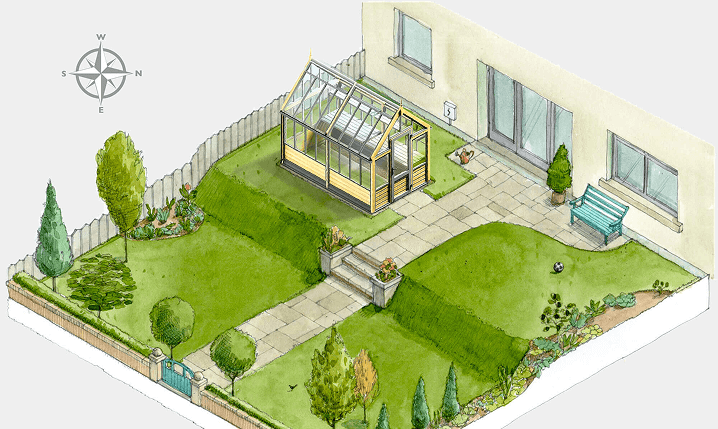
Greenhouses for sale should never be separated from position. A well-made greenhouse in the wrong place can become less useful than expected. Access, sunlight, shade, wind, nearby trees, water sources, paths and views from the house all shape the final experience.
A greenhouse that is awkward to reach may be used less often. One placed too close to a boundary may be harder to maintain. One hidden in shade may not support the growing plans you had in mind. One positioned without thinking about the house may feel visually disconnected from the garden.
Stand in the garden at different times of day. Notice where light falls, where wind moves, where water gathers and how you would approach the greenhouse with trays or tools. Our Greenhouse Orientation advice can help refine that decision before the design becomes fixed.
Accessories should be planned while comparing designs
Greenhouses for sale can look complete in a photograph, but the real test comes when the space is full of plants and daily jobs. Staging, grow bars, hooks, water collection, shading and storage can change how useful the greenhouse feels.
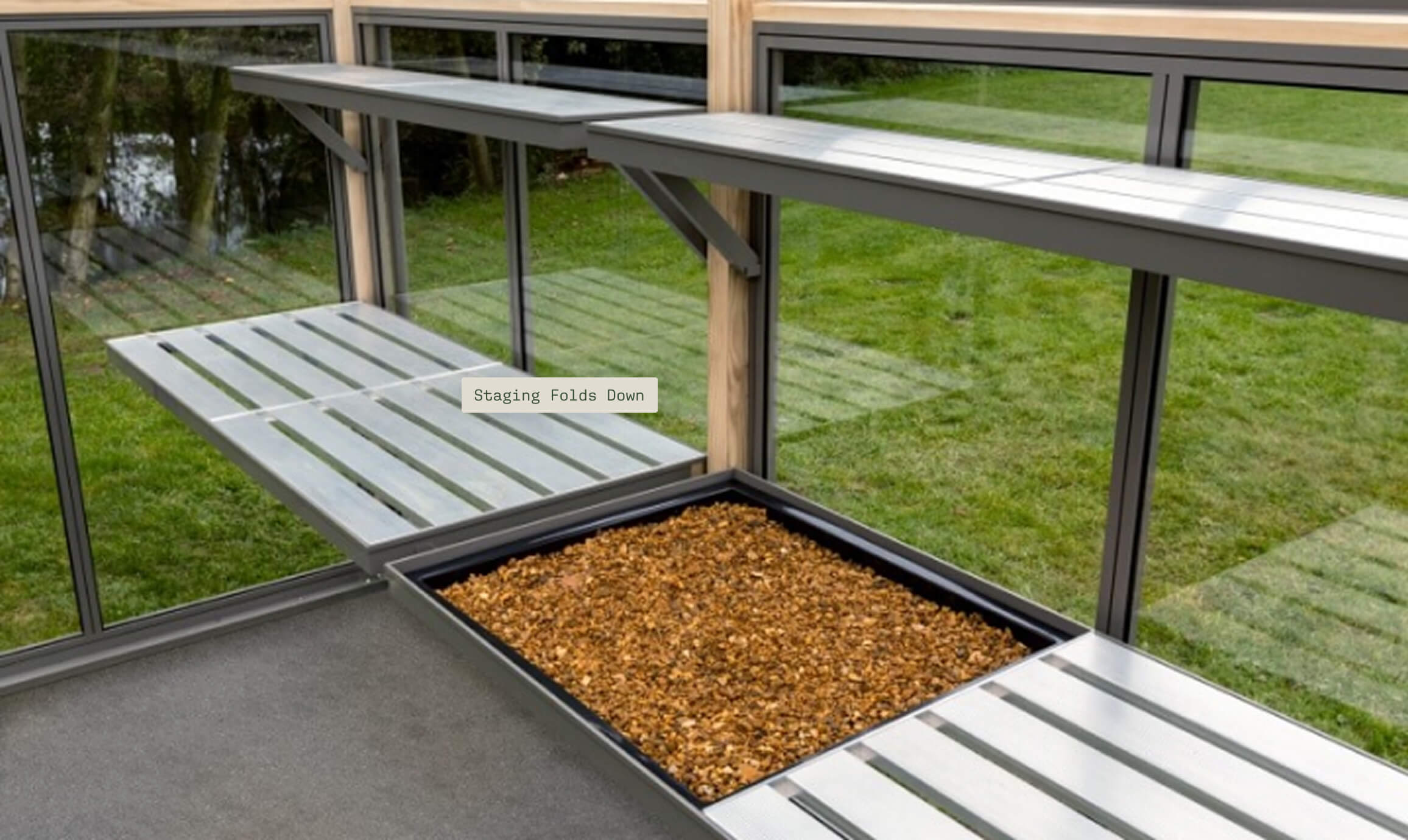
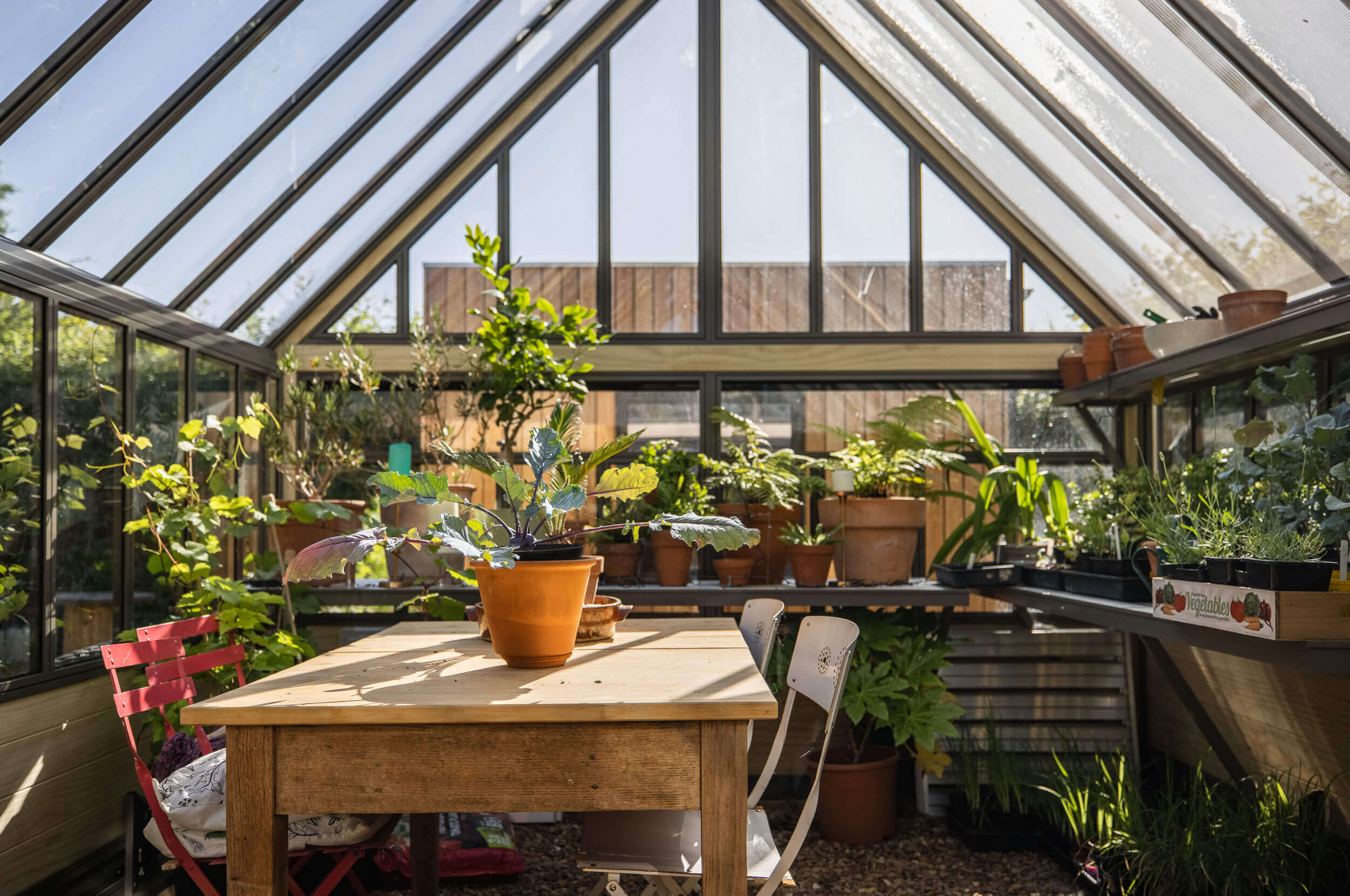
Accessories should not be treated as extras added after the important choices. Spring seedlings will need staging. Summer crops may need height and support, that’s when the staging on a cultivar greenhouse can be folded down. Overwintering plants may need flexible space. A pottering gardener may need somewhere comfortable for tools, compost and to sit.
Planning accessories early prevents a beautiful greenhouse from becoming an improvised shed. It also helps reveal whether the chosen structure suits the growing life you want.
On our Accessories page, we show practical additions that can make the space work harder without making it feel crowded.
Maintenance belongs in the buying decision
Greenhouses for sale should be chosen with long-term care in mind. Glass needs cleaning. Gutters need clearing. Vents need checking. Doors and fixings need to remain easy to use. Paths around the structure need to allow enough space for access.
Maintenance is not the most glamorous part of buying a greenhouse, but it affects how often the structure is used and how well it ages. If the greenhouse sits too close to hedges, walls, fences or trees, small jobs can become awkward. If the design does not allow comfortable access, upkeep becomes trickier.
A well-planned greenhouse should encourage use rather than demand constant correction. This is why we talk about the garden around the greenhouse, not only the greenhouse itself. The surrounding space is informs the buying decision.
The configurator helps turn ideas into choices
Greenhouses for sale become clearer when the main decisions are visible together. Size, range, finish, glazing, doors and accessories affect one another. Changing one detail can change the whole feel of the design.
The configurator is useful once you have a rough sense of the garden, the position and the way you want to grow. You do not need every answer before using it. The value is in testing choices. A design may feel too large, too narrow, too formal or too plain once you see it taking shape.
We see the configurator as a practical conversation starter. It helps move the idea from “we want a greenhouse” to “this is the kind of greenhouse our garden may need.” Use the configurator to shape the right greenhouse for your garden, then refine the details once you’ve settled on the style and size.
In Cultivar Greenhouses we turn your ideas into reality, always keeping in mind what is best for you and your garden.
Frequently Asked Questions
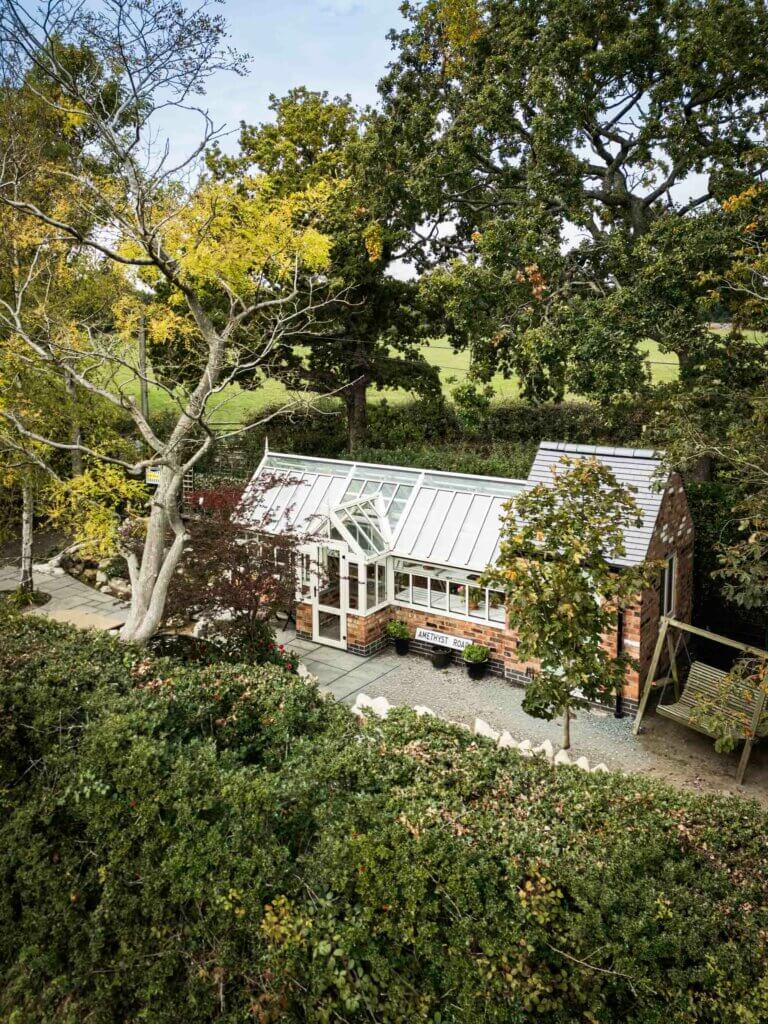
Compare styles, sizes, and the sorts of accessories you will use. Bare in mind how the greenhouse will be used through the seasons.
Yes. Smaller gardens often need sharper choices around size, position, access, maintenance and how the greenhouse will be used.
Use it once you know your rough size, preferred position, garden style and how you want to use the greenhouse.
Every greenhouse needs some care, including glass cleaning, gutter clearing, ventilation checks and clear access around the structure. Like everything in life if you keep it tidy as you go then the annual Spring clean will be so much easier.
Orientation affects light, heat, airflow and how much use the greenhouse might get. With the right planning the greenhouse will feel like a comfortable place to spend time and this will naturally govern how much it gets used.
Plan them early. Staging, shading, water collection and grow supports can change how useful the greenhouse feels. If we’re fitting the greenhouse for you it would be sensible to have us fit all the accessories you think you might need too.
It is always helpful to consider how the greenhouse will sit within your garden, how you might use it through the seasons and how it will fit in with your prpoerty and garden style.
Start with use and position, then compare range, size, finish and accessories in the configurator before refining the design.
Frequently Asked Questions
A Cultivar greenhouse is a true investment in your garden and your passion. Here we answer common questions about our expertly crafted designs, precision engineering, and enduring materials. Explore our insights, or begin your journey to create your perfect growing space today.
Design Your Perfect Greenhouse