Greenhouse Base Ideas That Protect the Structure Beneath the Glass
Greenhouse base ideas often come after you’ve fallen for the greenhouse. Homeowners usually imagine the glass, the frame, the style, the staging, and the plants before they think about the surface beneath the structure. Yet the base quietly shapes how the whole glasshouse feels once it is installed.
A strong base is not only a technical requirement. It helps the greenhouse sit level, supports the frame, allows doors and vents to work properly, and gives the structure a more permanent relationship with the garden. At Cultivar, we see base planning as part of the greenhouse decision because a glasshouse should feel settled into the garden, not simply placed on top of it. For this reason we provide a base plan specific to the greenhouse you order from us.
That makes preparation feel less like a separate building task and more like part of the investment. The right base protects the structure above it, supports everyday use, and gives the finished greenhouse a calmer sense of permanence.
Greenhouse Base Ideas Should Start With Stability, Not Surface Finish
Many homeowners begin by picturing how the base will look. Brickwork, paving, gravel, concrete, and perimeter edges all create a different impression in the garden. Those choices matter, especially when the greenhouse will sit close to a path, terrace, lawn, or mature planting.
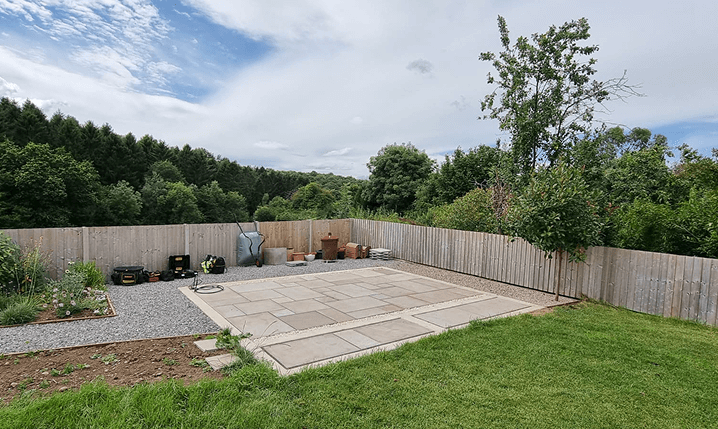
The more important starting point is stability. A greenhouse base affects alignment, frame support, door movement, drainage, and the way the structure sits in relation to the garden around it. A surface can look attractive and still fail to give the greenhouse the settled support it needs. The most important thing is that it is flat and level.
The best greenhouse base ideas begin with the structure, then move toward the finish. Once the greenhouse size, style, and position are understood, the base can be planned to support those decisions rather than distract from them. That is how the finished glasshouse starts to feel intentional from the ground up.
A Level Greenhouse Base Protects the Glasshouse Above It
A refined greenhouse still depends on the ground beneath it. The frame, glass, doors, vents, and internal layout all rely on the structure sitting correctly. If the base is uneven, the issue is not only visual, because small alignment problems may mean that the structure can not be installed or could lead to problems down the line.
Gardeners’ World notes that greenhouses should be placed on level ground, especially because internal staging needs to sit horizontally and sloped positions can complicate use. Their advice on siting a greenhouse also reinforces the importance of thinking about light, convenience, space, and ground conditions together.
This is why level preparation gives the owner more confidence before the glasshouse arrives. A good base helps the installation feel cleaner, supports long-term stability, and reduces the chance of avoidable frustration later. For a premium glasshouse, level support is part of the finished experience, not a hidden extra.
Drainage Shapes How Comfortable the Greenhouse Feels Over Time
And in UK gardens it’s not just about the weight of the greenhouse. Rain, damp soil, clay patches, sloped lawns, paving edges, and changing seasonal conditions can all influence how water moves around a greenhouse. A base that ignores drainage can leave the internal and surrounding area less pleasant to use, even when the greenhouse itself is well made.
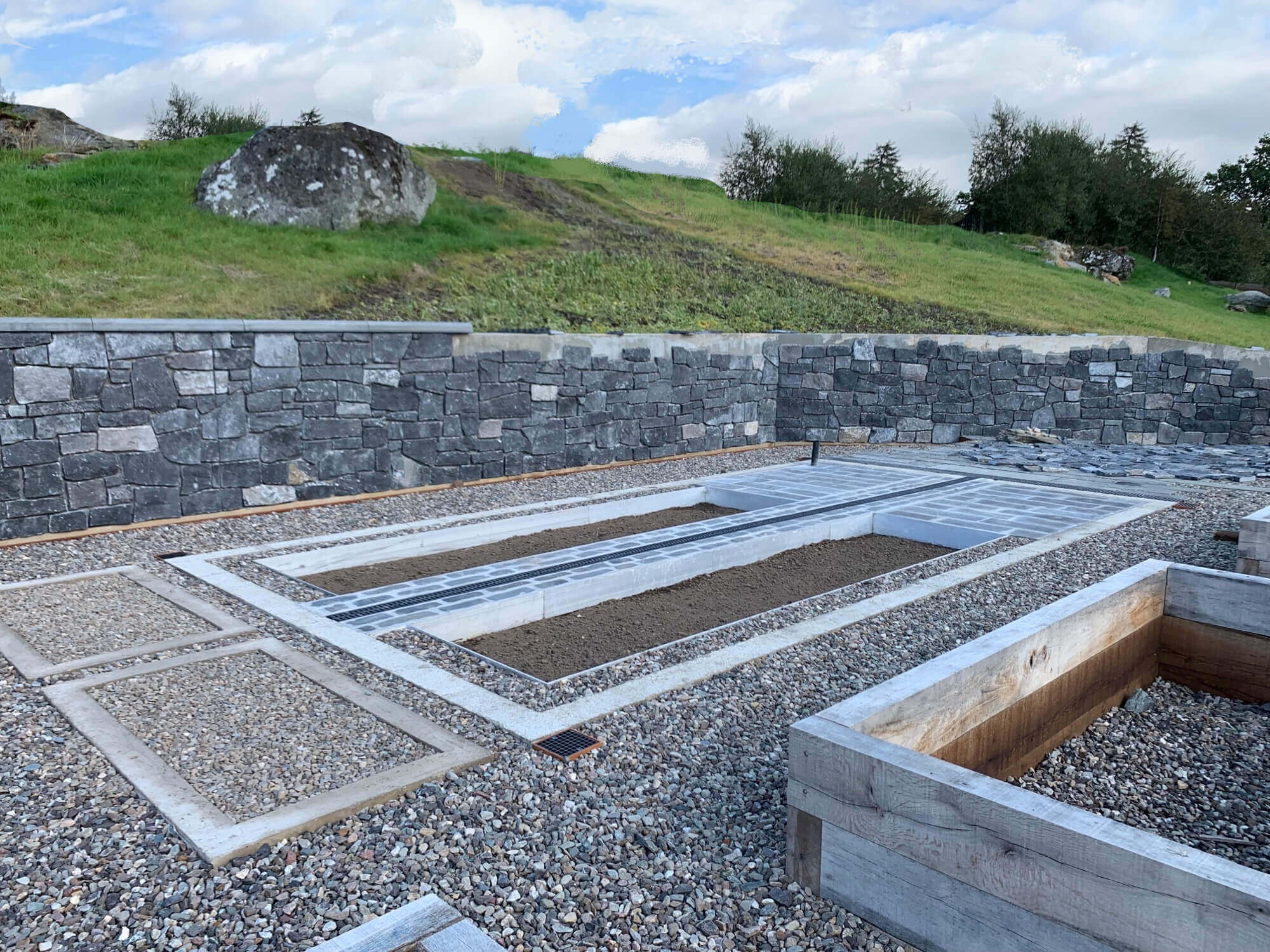
Drainage matters because a greenhouse is a wet environment. Watering, harvesting, opening vents, checking seedlings, and moving trays all become easier when the area around the glasshouse feels clean, well drained, and comfortable underfoot. A base that deals sensibly with water helps the greenhouse feel more usable after watering and throughout the wetter months.
Guidance on patio drainage makes the same broader point for hard landscaping: drainage should be considered early because standing water can affect surfaces, comfort, and long-term stability. In a greenhouse project, that principle is worth carrying into the base conversation before the structure is installed.
The Best Base for a Greenhouse Depends on the Garden Around It
There is no single best base for a greenhouse in every garden. A walled garden, a lawn edge, a paved terrace, a gravel area, and a sloped plot can each ask for a different kind of preparation. The right answer depends on how the greenhouse will sit, how the garden drains, and how the owner will move around the space. Think practically, if you’re strimming the plants in a gravel garden around your greenhouse then there’s the prospects of flying stones which is not something you want near a greenhouse.
That can feel uncertain at first, but it is also reassuring. What works for one garden and greenhouse won’t necessarily work for everyone. The goal is to choose the base that supports the greenhouse, suits the surroundings, and helps the final structure feel settled.
Concrete, paving, brick, and perimeter bases can all make sense in the right setting. Each one changes the way the greenhouse meets the garden, both practically and visually. The best base for a greenhouse is the one that protects the structure and makes the finished garden feel more complete.
Greenhouse Foundation Options Should Match the Style of the Glasshouse
A greenhouse base does not disappear completely once the structure is installed. Edges, paths, brickwork, paving, and surrounding surfaces all influence how the finished glasshouse feels. In a mature garden, those details can make the difference between a greenhouse that looks placed and one that looks planned.
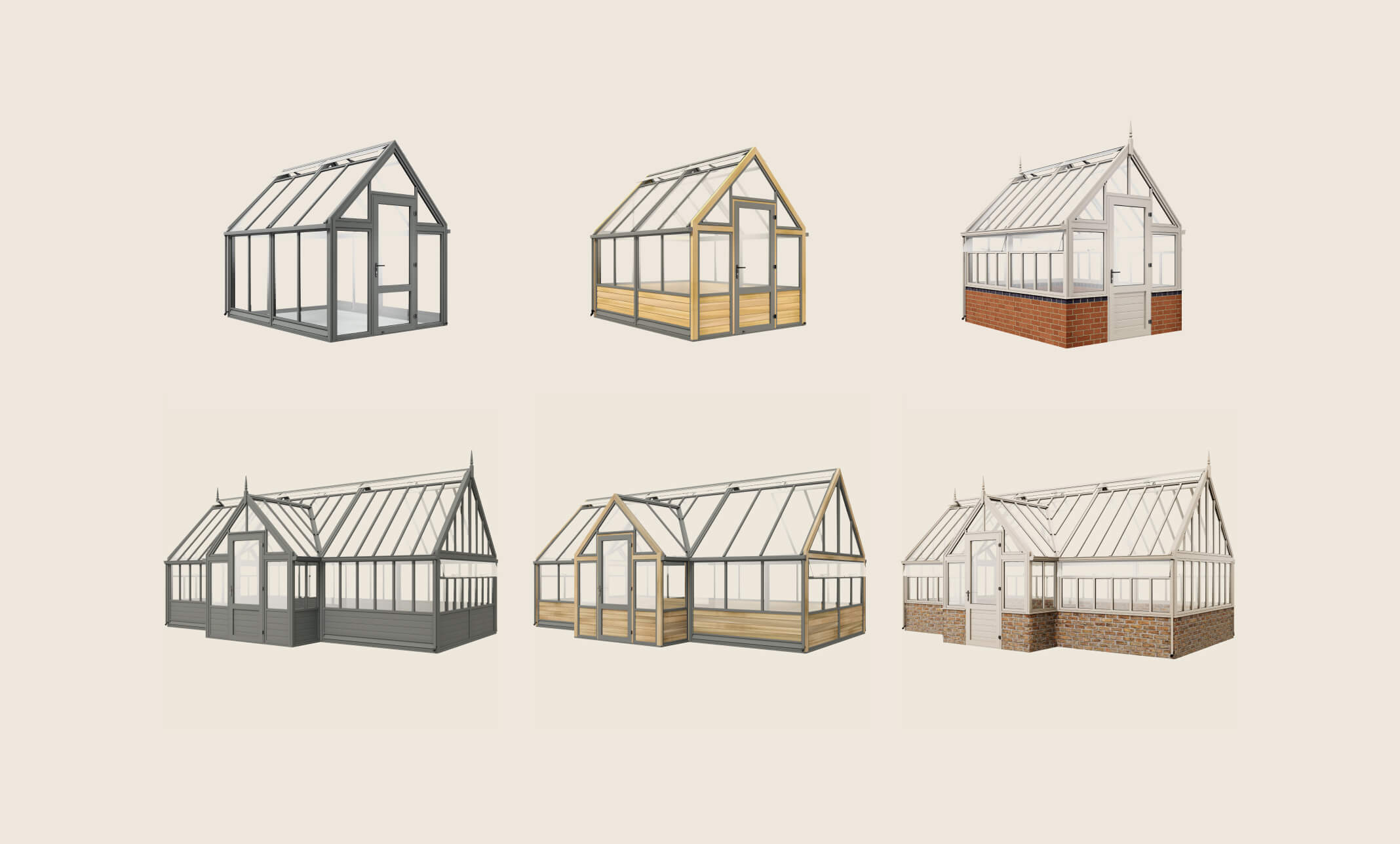
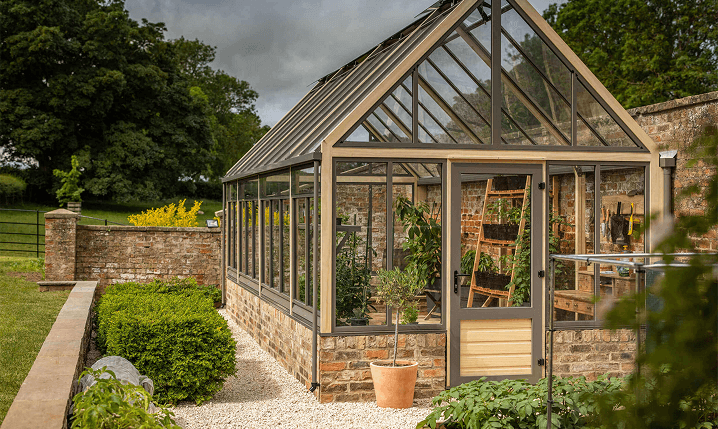
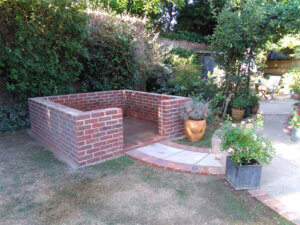
A Victorian-style glasshouse may feel more grounded on a brick, stone base using the same materials as surrounding walls or buildings. A cleaner contemporary greenhouse may suit a simpler surface with quieter edges. A wall-side greenhouse may need a base that respects the wall, access route, and nearby planting.
At Cultivar, we think the base should support both the glasshouse and the garden’s character. It should not compete with the structure or feel like an afterthought. When the foundation option suits the greenhouse style, the whole project feels more permanent.
Base Planning Should Happen Before the Greenhouse Is Ordered
Base planning becomes more stressful when it is left too late. Once the greenhouse size, style, door position, and placement are chosen, the base needs to support those details with care. A late decision can create extra friction for homeowners, builders, landscapers, or anyone involved in preparing the garden.
Early planning makes the process feel calmer. It gives the owner time to think about access, drainage, surface type, garden levels, and how the finished glasshouse will connect with paths or planting. It also makes the order feel more considered because the greenhouse is being planned as part of the garden, not separate from it.
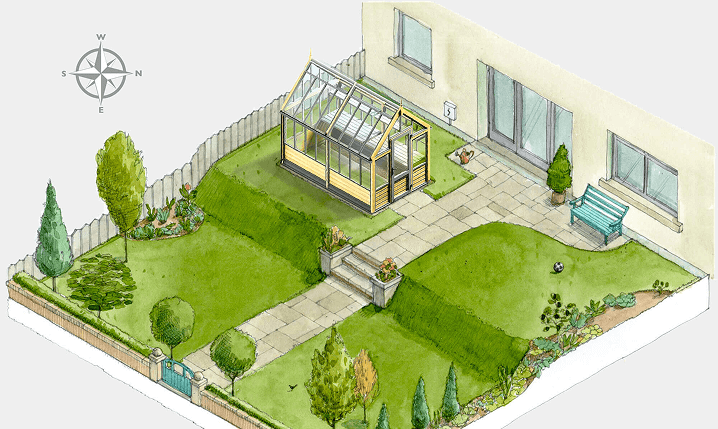
Our greenhouse base preparation guidance helps homeowners understand what needs to be ready before installation. The aim is not to turn the owner into a builder. It is to make the preparation feel clear enough that the greenhouse can arrive into a space that is ready to support it.
A Strong Greenhouse Starts Beneath the Glass
A greenhouse base is not the most visible part of the project, but it has a lasting effect on how the glasshouse feels, performs, and settles into the garden. It supports the frame, shapes drainage, affects access, and gives the finished structure its sense of permanence. A beautiful glasshouse deserves a base that protects that investment.
There is no need for homeowners to become construction experts before planning a greenhouse. What matters is understanding the relationship between level support, drainage, surface choice, garden character, and long-term stability. Once those pieces are clear, the base feels less like a technical hurdle and more like a sensible part of the process.
For homeowners comparing greenhouse base ideas before choosing a glasshouse, Cultivar offers a calm and practical place to begin. Read our buying guide before planning your order, or for further advice speak with our team about the base, style, and placement that will suit your garden.
Frequently Asked Questions
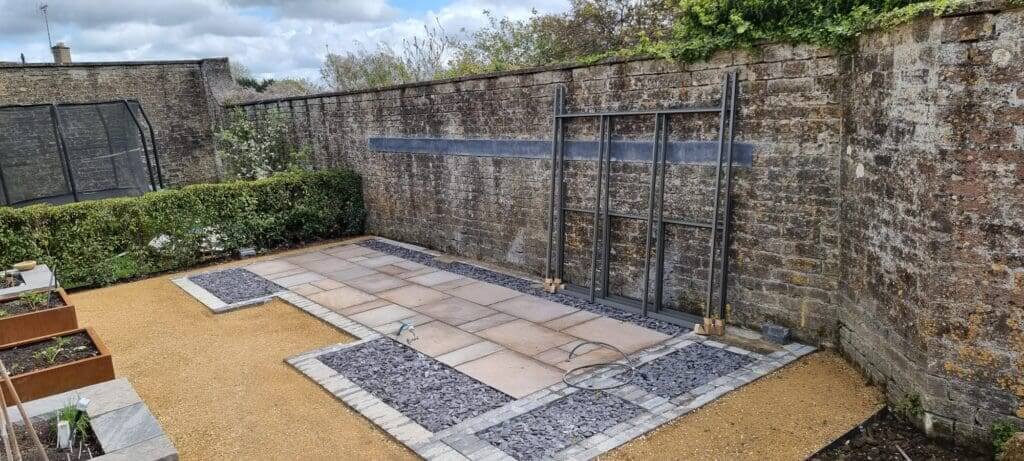
The best base depends on the greenhouse in relation to surrounding buildings. Any paths can be tied in to existing landscaping and garden surfaces. It will include drainage and perhaps by laying a conduit during the base laying process it should also include services like electric and water. A flat level footing gives you options to put a wide path with gravel either sides for drainage.
Yes. A level base is crucial for satisfactory assembly and will stand the greenhouse in good stead for the future.
Providing the paving slabs are well laid and level these are occassionally used. Some paving slabs are more even than others so this is also worht paying attention to. 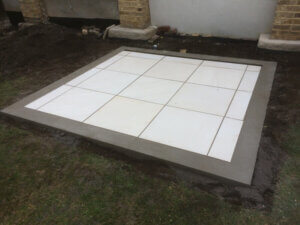
Yes. Drainage is essential in a greenhouse. You’ll be doing lot’s of watering in there and unless you want wet toes you should incoporate drainage. A constantly damp environment is not necessarily a healthy environment in the long term for plants. Externally a soakaway at the corners of the greenhouse is also worth considering where the downpipes fall. You may also want to think about water collection from the greenhouse at one corner.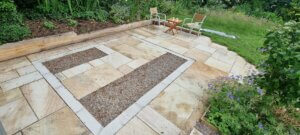
Once you’ve settled on the greenhouse and paid a deposit we supply a base plan specific to your greenhouse. That doesn’t stop you form thinking about it and planning this in advance may actually help you in ultimately deciding on the greenhouse size and position.
If the wall is so old that the greenhouse has long since perished then it may not have the integrity it once had. The chances are that it was likely made bespoke originally so finding a standard size greenhouse to suit will require great luck. With that in mind you will probably find it more economical to rebuild the wall to match that for a standard greenhouse than to pay to have a bespoke structure made to suit the wall. If you order a greenhouse from us Cultivar will provide a plan with the specification and sizes for the wall.
Frequently Asked Questions
A Cultivar greenhouse is a true investment in your garden and your passion. Here we answer common questions about our expertly crafted designs, precision engineering, and enduring materials. Explore our insights, or begin your journey to create your perfect growing space today.
Design Your Perfect Greenhouse