Greenhouse Shading
Greenhouse Shading
How Greenhouse Shading Fits
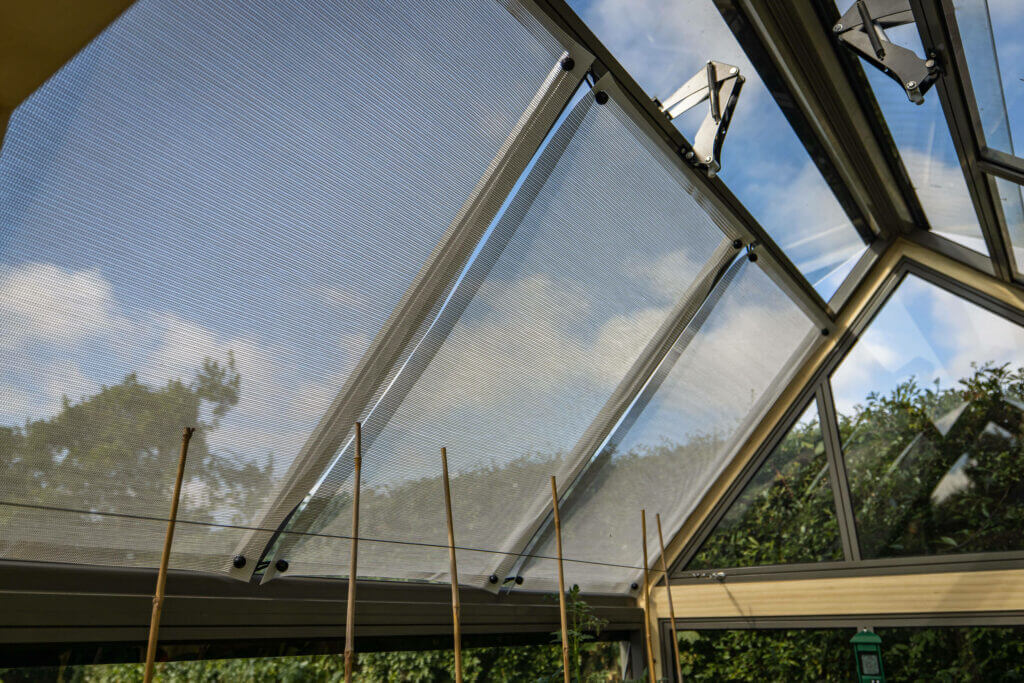
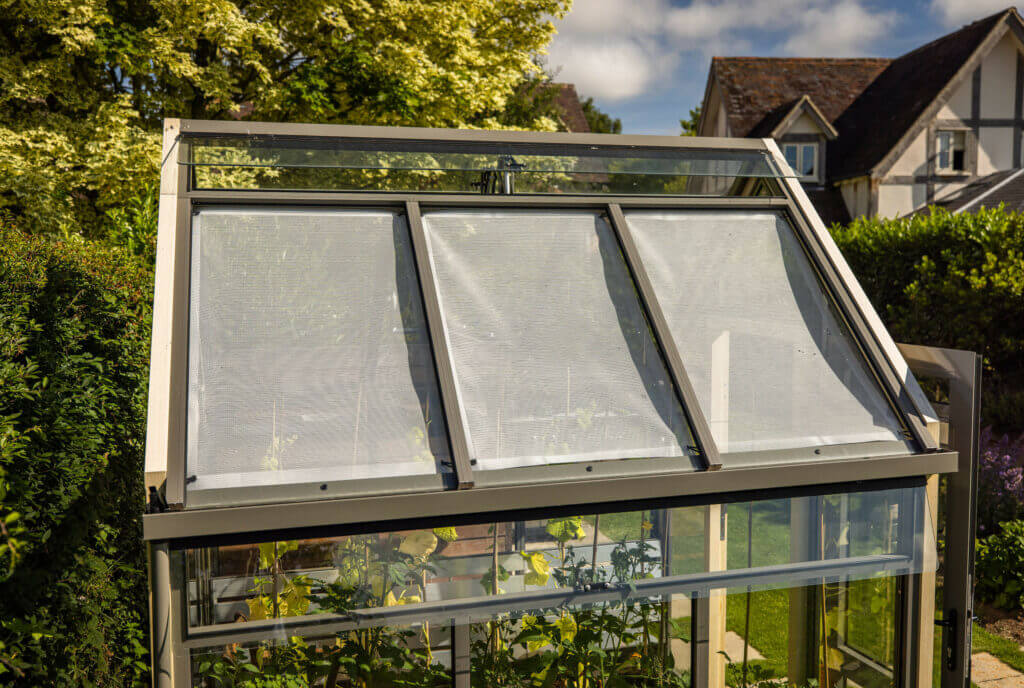
Fitting shading to a cultivar greenhouse is a breeze. In this short video we show how the shades are secured to the discreet grooves in our greenhouse extrusions and held in place with a simple elasticated tie. The very same groove can be used to secure all manner of useful fixings to help you look after your plants. With a few minutes of your time (or ours if we are fitting the greenhouse for you) the shading can be fitted, the only tool required for this is a screwdriver. Shading can be fitted to either, or both, sides of the roof. Shading for the sides or ends of the structure can be provided too, please ask if you are interested.
What the Shading Is Made From
The material from which each shade is made is a synthetic polyester scrim which is both hard wearing and resistant to the effects of moisture. Offering 55% shade the shading is designed to protect your plants from the effects of the summer sun. In Autumn the shading can be simply removed and rolled up until next year.
When and How to Use Greenhouse Shading
Shading matters most between May and September, when direct sun through glass can raise internal temperatures above 30°C and scorch tender foliage within hours. A 55% shade material fitted to the roof panels strikes the right balance: it cuts the harshest light without reducing the diffuse brightness plants need for healthy growth. For exposed positions fitting to both roof sides will give good cover; a single side is often enough for greenhouses with natural afternoon shade from a wall or hedgerow, particularly if one side of the roof is South facing. If you are unsure which configuration suits your position, our greenhouse orientation guide covers how aspect affects light and heat throughout the day.
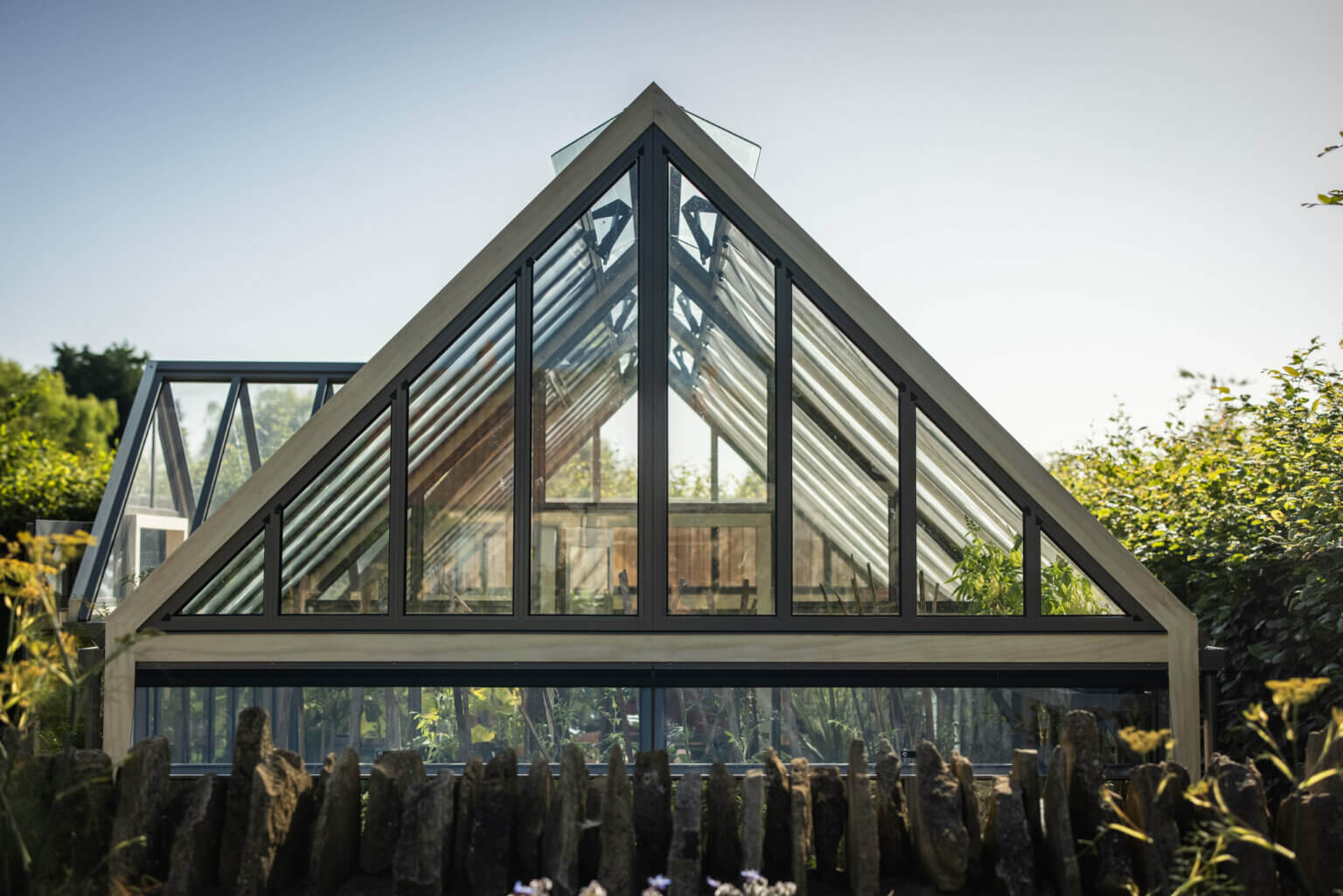
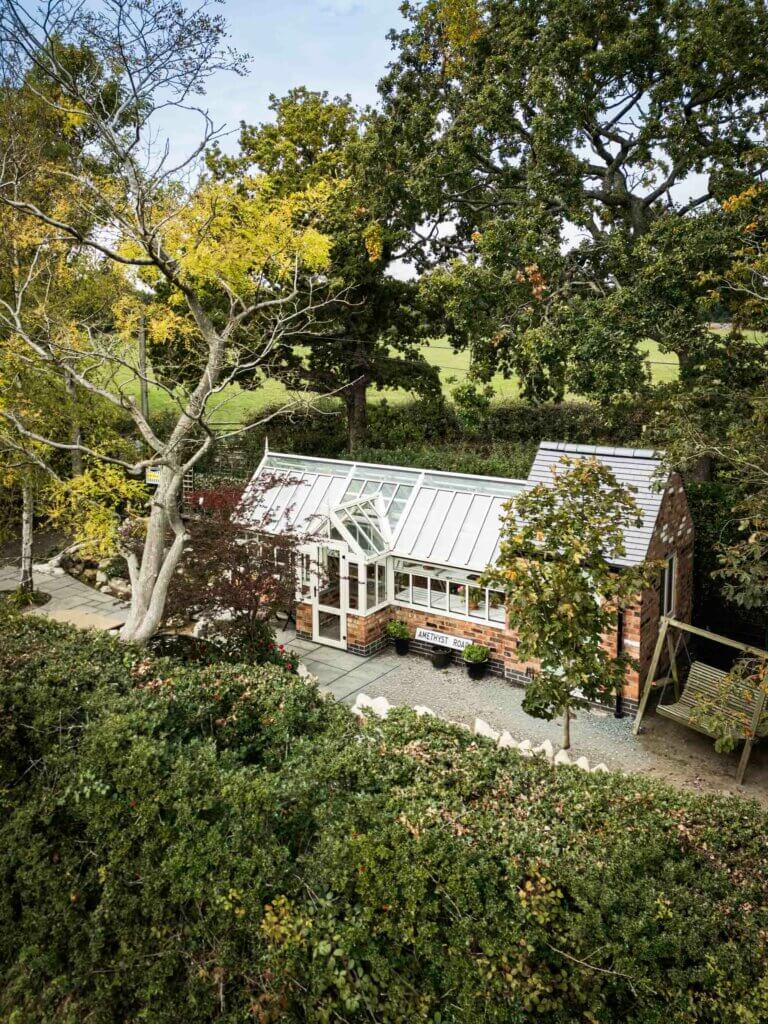
Modular and versatile — like your skillset — our Accoya wood and aluminium greenhouses are engineered to maximise your environment.
Greenhouse Shading FAQs
55% is the standard recommendation for a general-purpose UK greenhouse. It blocks the most damaging direct summer sun while allowing enough diffuse light through for fruiting crops like tomatoes and cucumbers. Higher percentages suit ornamental or shade-loving plants but can reduce yields in a growing greenhouse.
Yes. Cultivar shading is designed to be removed in autumn and rolled up until the following season. Leaving it on through winter reduces the already limited light. Removal takes a few minutes and requires no tools.
Yes. While roof shading handles the majority of solar gain, side and end shading can be ordered as a special for south or west-facing walls that receive direct afternoon sun. This is particularly useful for lean-to greenhouses built against south-facing walls where reflected heat from the brickwork can add to the thermal load.
Both have their merits. External shading is effective because it blocks the radiation before it enters the glasshouse but it is much more difficult to manage since it is explosed to the elements. For that reason all cultivar shading is internal. It still offers shade (55%) and is easily fitted to the internal grooves of the extrusion profile with elasticated ties, making it easy to remove without tools and keeping it neatly in place without concerns of it being affected by high winds.
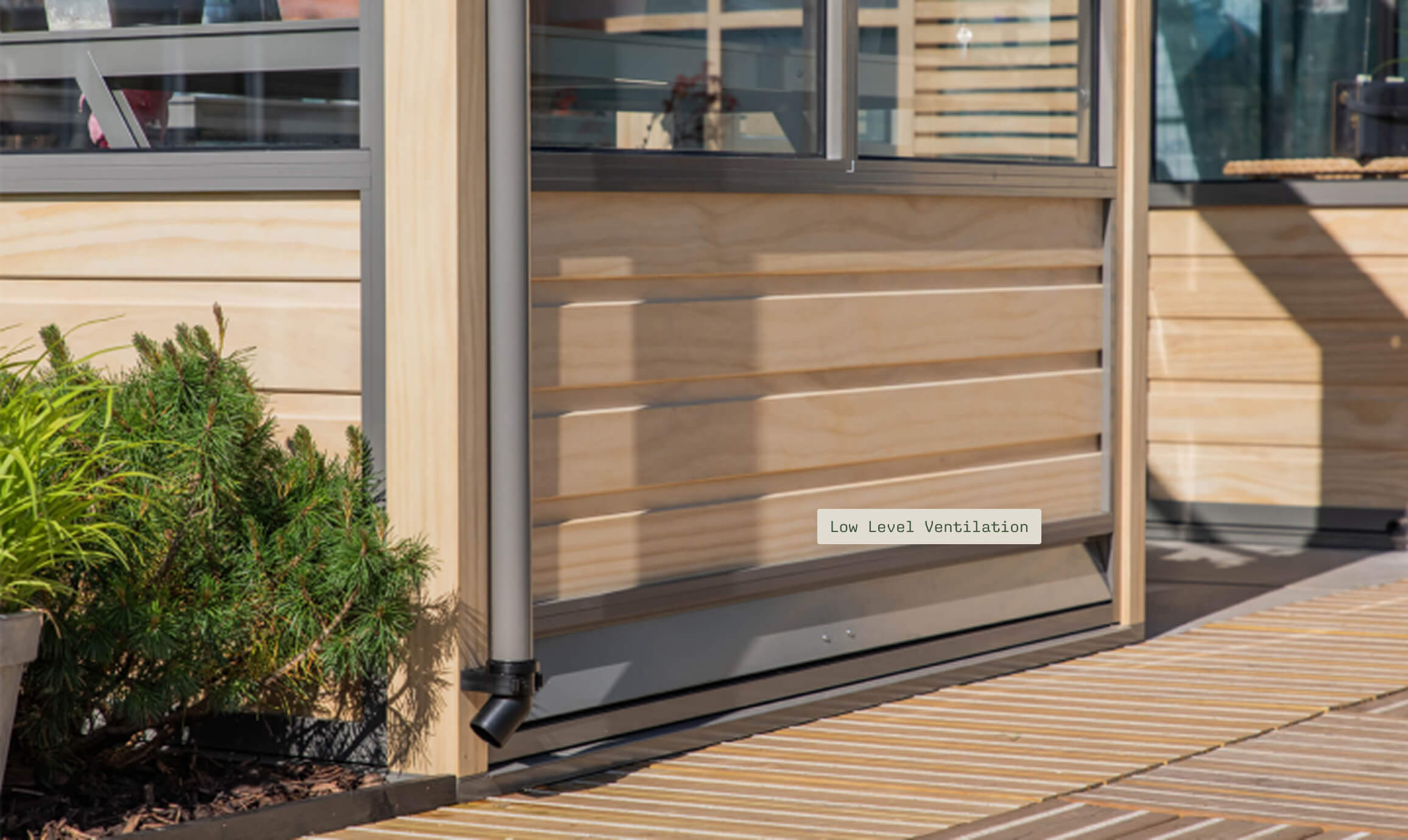
Shading and ventilation work as a pair: shading reduces the heat entering the structure, ventilation removes the heat that builds up regardless. On the hottest days both should be active simultaneously. Cultivar’s low-level vents and automatic ridge vents handle airflow, while the shading material manages radiant heat from the sun.
Common questions about fitting, using and choosing the right shading for your greenhouse.